
Champagne, prosecco and sparkling wine glasses (5)
Champagne glasses are designed for the elegant serving of champagne, prosecco, cava and other sparkling wines. The carefully chosen shape of the bowl helps to showcase the rising bubbles, minimise the loss of carbon dioxide and emphasise the drink’s fresh character.
In this category, you’ll find classic, slender flute-style glasses, models with a more open bowl, and glasses with decorative fluting. The variety of capacities and styles allows you to choose glasses suited to a restaurant, hotel, cocktail bar, banquet hall or special occasion.
Which champagne glasses should you choose?
The choice of glass should depend on the type of sparkling wine being served, the size of the portion and the nature of the venue. Slender models showcase the stream of bubbles well and help preserve the effervescence for longer, whilst a wider bowl provides more space for the aromas to develop.
When choosing, it is worth paying attention to:
- the shape and width of the bowl,
- the total capacity of the glass,
- the diameter of the rim,
- the height and proportions of the stem,
- the stability of the base,
- the type of sparkling wine being served,
- whether it is dishwasher-safe,
- and whether the dimensions fit into dishwasher racks and storage spaces.
Flute glasses
Flute glasses have a tall, narrow bowl and are among the most popular choices for champagne and prosecco. Their slender shape minimises the surface area of the drink in contact with the air, thereby helping to slow down the loss of effervescence.
The transparent, elongated bowl allows you to watch the rising bubbles and showcases the wine’s pale colour beautifully. Flute glasses are particularly well-suited for toasts, banquets and receptions where an elegant appearance and the convenient arrangement of a larger number of glasses are important.
They can be used to serve:
- champagne,
- prosecco,
- cava,
- sparkling wine,
- other white and rosé sparkling wines,
- sparkling wine-based cocktails.
Prosecco glasses
Prosecco glasses usually have a slender or slightly flared bowl. They should provide sufficient space for the drink and its aromas, whilst minimising the loss of carbon dioxide.
When choosing a prosecco glass, it is worth considering:
- the standard serving size used at the venue,
- the intensity of the wine’s aroma,
- how it is served – on its own or as part of a cocktail,
- the amount of space needed for decoration,
- the ease of carrying the glass on a tray.
Wider glasses for sparkling wines
Not all sparkling wines look their best in a very narrow glass. Models with a slightly wider bowl provide more space for the aromas to develop and may be a good choice for more complex, long-aged sparkling wines.
A wider bowl is also suitable for cocktails in which sparkling wine is combined with liqueur, an aperitif, juice or fruit garnish. Before choosing, it is worth ensuring that the glass’s capacity suits the recipe and the intended portion size.
Coupe glasses for champagne and cocktails
Coupe glasses have a wide and shallow bowl. They stand out for their decorative, classic appearance and are often used in cocktail bars, restaurants and at elegant events.
Due to their wide rim, carbon dioxide can escape from them more quickly than from flute glasses. However, coupe glasses are ideal for shorter service periods and for cocktails where an eye-catching presentation is particularly important.
They can be used to serve:
- champagne and sparkling wines,
- prosecco-based cocktails,
- classic drinks served without ice,
- cocktails garnished with fruit or herbs,
- small desserts and sorbets.
Decorative champagne glasses
Glasses with an optical pattern, fluting or a decorative bowl can emphasise the festive nature of the service. The structure of the glass refracts light and helps to highlight the colour of the drink and the rising bubbles.
Decorative designs are particularly suited to:
- restaurants with elegant décor,
- cocktail bars,
- hotel lobby bars,
- weddings and formal receptions,
- banquets and corporate events,
- classic, glamour or vintage-style settings.
How to choose the right glass capacity?
The total capacity of the glass does not correspond to the amount of wine poured. The glass should not be filled to the very brim. The headspace allows room for foam and aromas and reduces the risk of spillage when carrying the glass.
When selecting the capacity, the following should be taken into account:
- the portion size served at the venue,
- the type of wine being served,
- the space required for the head,
- the method of pouring and serving the drink,
- any cocktail mixers,
- the proportions of the glass relative to the rest of the glassware.
A larger glass does not necessarily mean a larger portion. The extra space can help the aromas to develop and give the drink a more elegant appearance.
Glasses for sparkling wine cocktails
Champagne and prosecco are used as ingredients in many aperitifs and cocktails. When choosing a glass, one should take into account not only the volume of the wine, but also the other ingredients, the garnish and any ice.
Sparkling wine glasses can be used to serve, amongst other things:
- Mimosas,
- Bellinis,
- Kir Royale,
- French 75,
- cocktails made with prosecco and liqueurs,
- non-alcoholic sparkling drinks.
The cocktail should be poured slowly to minimise excessive foaming and loss of carbon dioxide.
Professional glasses for restaurants and hotels
Champagne glasses are an essential part of the equipment for venues hosting formal dinners, banquets, weddings, conferences and special events. In a professional setting, it is not only the appearance of the glass that matters, but also its stability, consistent dimensions and the ability to replenish the set efficiently.
This category is intended, amongst others, for:
- à la carte restaurants,
- hotels and lobby bars,
- cocktail bars,
- wedding and banquet venues,
- catering companies,
- clubs and nightspots,
- event organisers,
- wine bars and establishments specialising in wine.
Glasses for toasts, banquets and weddings
When catering for larger events, stability, ease of handling and the ability to quickly prepare the required number of glasses are particularly important.
When planning a set, the following should be taken into account:
- the number of guests,
- the number of planned toasts,
- the type of sparkling wine being served,
- the duration of the event,
- how often the dishwasher will be used,
- the stock required whilst the glasses are being washed and polished,
- a reserve in case of breakages.
For large receptions, models with a consistent shape, a stable base and dimensions suited to transport and dishwasher baskets are practical.
How to put together a set of glasses?
The number of glasses required depends on the venue’s profile, the number of seats and the frequency with which sparkling wines are ordered. In restaurants offering champagne by the glass, the demand will differ from that in banquet halls catering for several hundred guests at once.
When putting together a set, it is worth considering:
- the number of seats in the venue,
- sales of champagne and prosecco,
- the number of sparkling wine-based cocktails,
- the frequency of banquets,
- the time required for washing and polishing the glassware,
- the space available on the shelves,
- the possibility of purchasing additional items of the same model at a later date.
Consistency with other glassware
Champagne glasses should match the wine glasses, tumblers and decanters used in the establishment. A consistent look can be achieved by choosing products from a single collection or models with a similar stem and base shape.
It is worth paying attention to:
- the height and thickness of the stem,
- the shape of the base,
- the clarity of the glass,
- the thickness of the rim,
- the type of decoration,
- the proportions in relation to the wine glasses.
Washing champagne glasses
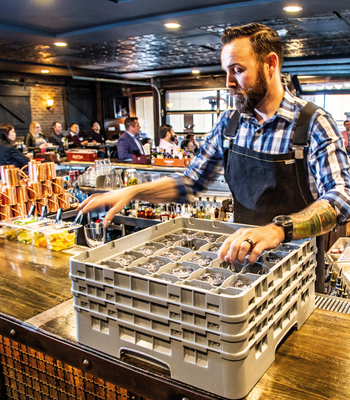
The washing method should be adapted to the information provided on the specific product’s information sheet. Slender glasses should be placed in racks suited to their height, which limit movement and contact with other items.
To minimise the risk of damage and water marks, it is advisable to:
- not overload the dishwasher baskets,
- leave space between the glasses,
- use detergents designed for catering glassware,
- monitor water quality and detergent dosage,
- regularly check the rims for chips,
- and remove cracked or damaged glassware from use.
Safe polishing and storage
When polishing a glass, do not twist the bowl and base in opposite directions. This may damage the stem. The glass should be clean, properly chilled and held gently by the bowl or base.
When storing, it is advisable to:
- ensure the shelves are of a suitable height,
- do not stack glasses in unstable piles,
- protect the rims from contact with metal parts of the shelving unit,
- set aside a separate space for individual collections,
- store the glassware in a dust-free place,
- ensure easy access to the most frequently used models.
What should you look out for before buying?
Before choosing champagne glasses, it is worth checking:
- the capacity and shape of the bowl,
- the total height of the glass,
- the diameter of the base and the rim,
- the type of glass and the finish of the rim,
- the recommended washing method,
- the minimum order quantity,
- product availability,
- the option to add to the set at a later date.
Why is it worth choosing the right champagne glasses?
- they help the drink retain its fizz for longer,
- they showcase the colour and rising bubbles,
- they allow you to match the glass to champagne, prosecco and other sparkling wines,
- they provide an elegant setting for toasts and receptions,
- they allow you to serve sparkling wine-based cocktails,
- they are available in classic, modern and decorative styles,
- they are ideal for restaurants, hotels, bars and catering.
Choose champagne and prosecco glasses suited to the type of wine being served, the character of the venue and the way guests are served. Put together a professional glassware collection for toasts, cocktails, banquets and everyday service.