
Colourful tableware for restaurants (3)
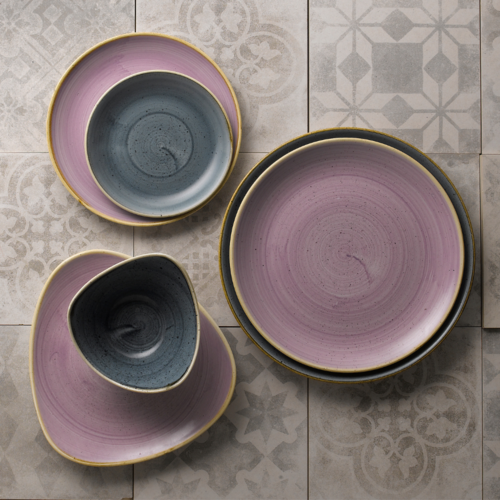
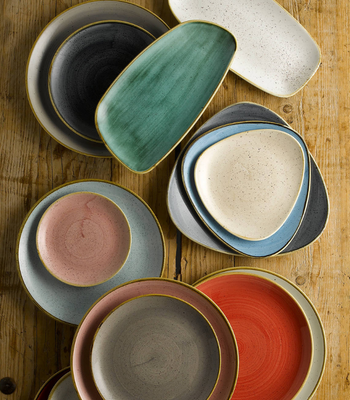
Colourful tableware for the catering and restaurant industry allows you to combine several colours, decorations and surface effects in a single piece, creating a striking backdrop for professional plating. Multicoloured plates, bowls, serving platters, cups, mugs and serving dishes can combine contrasting colours, tonal gradients, colourful rims, decorative patterns and more organic glaze effects. As a result, the tableware itself becomes part of the composition and can emphasise the character of the dishes served in restaurants, hotels, cafés, catering venues and at events.
Colourful catering tableware offers far greater visual freedom than tableware in a single shade. It can combine green with blue, red with orange, cream with brown, navy with turquoise or make use of subtle differences between several shades within the same palette. The most important thing, however, is that the colour scheme of the tableware complements the dish rather than competing with it. That is why, when making a professional selection, it is worth analysing the colours of the ingredients, the shape of the tableware, the texture of the surface and the table lighting all at the same time.
Colourful tableware in professional catering
Multicoloured tableware allows the head chef to use the tableware as an active element in the presentation of the dish.
They can replace additional table decorations, emphasise the character of the cuisine, or help create a recognisable style of service specific to a particular establishment.
Colourful tableware for restaurants
Colourful tableware for restaurants works well in both casual dining and more creative fine dining settings.
It can complement signature, Mediterranean, Asian, plant-based and regional cuisines, as well as concepts where bold, distinctive design plays a key role.
Multicoloured tableware for fine dining
In fine dining, a multicoloured plate can provide a rich backdrop for a minimalist dish or harmonise with a more complex composition.
The more decorative the surface, the more important it is to maintain a balance between the tableware and the dish itself.
A colourful plate as part of the plating
A colourful plate is not a neutral backdrop. Its colours can highlight specific ingredients, create contrast or echo the colours used in the dish.
In professional service, it is therefore worth treating tableware as one of the elements of the culinary composition.
Colourful tableware and professional plating
With a multi-coloured surface, it is particularly important to carry out a trial plating.
Fine Dine also emphasises the importance of matching the plate to the type of dish, its colours and the emotions the presentation is intended to evoke. :contentReference[oaicite:1]{index=1}
Colourful tableware and contrast
A multicoloured plate may already contain several contrasting elements in itself, so not every dish requires additional, intense decoration.
For very colourful dishes, a more subdued part of the plate’s surface may work better, whilst minimalist dishes allow more freedom when choosing bold patterns.
Colourful catering plates
Colourful catering plates come in a range of styles, including flat, deep, coupe, high-rimmed, rectangular, oval and more organic shapes.
The shape should be chosen primarily according to the nature of the dish, and only then according to the colour scheme and decoration.
Colourful flat plates
A flat plate provides a large surface area on which multi-coloured decoration can be particularly prominent.
It can be used for main courses, starters, desserts and more elaborate compositions.
Colourful deep plates
Deep plates work well with pasta, risotto, cream soups and dishes served with sauce.
The colourful rim can then act as a frame around the central part of the dish.
Colourful coupe plates
The coupe shape allows the decoration to flow seamlessly across most of the plate’s surface.
It works well with tonal glazes and more organic colour effects.
Colourful plates with a high rim
The high rim allows the dish to be centred, leaving the colourful surface clearly visible around the plating.
This can be particularly attractive with dishes featuring a minimalist presentation.
Colourful catering bowls
Colourful bowls can be used for ramen, poke bowls, salads, soups, breakfasts, desserts and various side dishes.
In a deep bowl, the decoration remains visible both beneath the food and on the inner walls of the bowl.
Colourful serving platters
Multicoloured platters work well for sharing dishes, fish, meat, sushi, snacks and vegetable platters.
Placed in the centre of the table, they can also serve as one of the most important decorative elements.
Colourful cups and mugs
A colourful surface can also add variety to coffee and tea service.
In a café or hotel restaurant, multicoloured cups can complement desserts, glassware and the character of the interior.
Colourful catering porcelain
Colourful catering porcelain can feature colourful glazes, decorations, rims, speckled patterns and combinations of several shades.
Manufacturing technology and performance characteristics depend on the specific collection and should not be generalised to the entire category.
Colourful stoneware and ceramics
Stoneware and other ceramic materials are particularly well-suited to more organic, non-uniform colour effects.
Tonal glazes, colour gradients and natural surface variations can enhance the handcrafted character of the tableware.
Multicoloured glazes
A glaze can combine several colours on a single piece or create a smooth transition between shades.
In such products, the final effect can be more natural than with a uniform, repetitive decoration.
Coloured plate rims
The colour may be concentrated solely on the rim, whilst the central part of the plate remains more neutral.
This is a practical solution for professional plating, as it allows for a calmer background without compromising the decorative character of the tableware.
Colourful patterns on tableware
Geometric, organic, abstract or nature-inspired patterns can transform the overall look of the table.
The more complex the decoration, the more important it is to consciously match it to the way the dishes are served.
Tonal tableware
Colourful tableware does not have to use strongly contrasting colours. Several shades of the same colour can create a calm, multi-tonal effect.
Such designs work well in restaurants seeking a more subtle way to move away from plain white.
Colourful tableware with an irregular surface
An irregular distribution of colours can enhance the natural and artisanal character of the tableware.
This effect works well with organic shapes and cuisine based on seasonal produce.
Colourful tableware with a reactive glaze effect
In selected collections, reactive glazes can cause natural colour variations on the surface.
However, such characteristics should always be considered in relation to specific collections, rather than the entire category of tableware.
Colourful tableware for signature cuisine
Signature cuisine gives the head chef great freedom in designing not only the dish itself, but also the way it is presented.
Multicoloured tableware can become part of the menu’s distinctive visual language.
Colourful tableware for plant-based cuisine
Vegetables, herbs, sprouts and fruit naturally feature a wide colour palette, so it is worth choosing colourful tableware that does not blend in with the ingredients.
Sometimes the best effect is achieved with tableware that uses complementary colours rather than repeating the same shades.
Colourful tableware for meat
The browns and reds of meat work well with both cooler blue-green surfaces and warmer decorations.
Light-coloured sauces, purées and vegetables further enhance the possibilities for creating contrast.
Colourful tableware for fish
Light-coloured fish looks good on more saturated, multi-coloured surfaces.
Blue, green and turquoise accents can evoke the dish’s maritime character, but they are not the only possible direction.
Colourful tableware for seafood
The pink, orange and white hues of seafood offer a wide range of possibilities for pairing with multicoloured tableware.
It is worth choosing a surface so that the decoration still allows the shape and colour of the main ingredient to be clearly seen.
Colourful tableware for sushi
Sushi features white rice, dark nori, colourful fish, avocado and a variety of toppings, so multicoloured platters can effectively highlight its character.
When using highly decorative elements, it is worth leaving a little more space around the dish.
Colourful tableware for Asian cuisine
Asian cuisine naturally makes use of a variety of ingredient colours, so colourful bowls and plates can complement its presentation well.
Ramen, curry, dim sum, rice and bowl-style dishes can make use of both strong contrasts and more subtle colour combinations.
Colourful tableware for pasta
Pasta with green pesto, red tomato sauce, dark ragù or a light sauce offers a wide range of possibilities when choosing tableware.
Multicoloured deep plates can therefore be used for many items on the menu.
Colourful tableware for risotto
Risotto often forms the centrepiece of a dish, leaving a large part of the rim clearly visible.
This makes the decoration or multicoloured glaze of the plate a particularly important element of the entire plating.
Colourful dessert tableware
Colourful dessert plates can work well with chocolate, fruit, creams, caramel and confectionery decorations.
For very elaborate desserts, it is worth choosing slightly more understated surfaces, whilst a simple dessert can benefit from a more striking setting.
Colourful tableware for confectioners
Confectioners and patisseries can make particularly good use of multicoloured plates and cups, as colour plays a major role in the presentation of desserts.
Colourful tableware can complement fruit, chocolate, pistachios, creams and floral decorations.
Colourful tableware for cafés
In a café, colourful cups, plates and bowls can become part of the venue’s distinctive style.
They work well with coffee, pastries, desserts and the breakfast menu.
Colourful tableware for brunch
Brunch features a wide range of ingredients — from bread and eggs to fruit, vegetables and desserts.
Multicoloured tableware can emphasise the relaxed and creative nature of such a service.
Colourful tableware for hotels
In hotels, colourful tableware can be used in restaurants, lobby bars, breakfast areas, room service and at events.
Fine Dine tailors its tableware range to professional catering applications and emphasises the importance of thoughtful tableware design. :contentReference[oaicite:2]{index=2}
Colourful tableware for catering
In catering, multicoloured tableware can complement the event’s theme, table décor and the nature of the menu.
It works well at weddings, corporate events, outdoor receptions and themed events.
Colourful tableware for banquets
Colourful tableware can be an interesting alternative to classic white, even at more formal events.
In such cases, it is particularly important to maintain consistency between the crockery, glassware, cutlery and table linen.
Colourful tableware for buffets
Multicoloured bowls and platters can help create an attractive display of bread, fruit, vegetables, desserts and cold snacks.
When selecting tableware for a buffet, it is also important to consider the specifications and intended use of each specific item.
Colourful tableware versus white tableware
White can provide a calm backdrop for multicoloured elements and prevent the table from looking overly cluttered.
For example, you can combine white dinner plates with decorative coloured bowls and platters.
Coloured tableware versus black tableware
Black can enhance the intensity of coloured elements and give the entire table setting a more assertive character.
It works well with modern and evening table settings.
Colourful tableware versus cream tableware
A cream base softens more intense colours and creates a calmer atmosphere at the table than pure white.
It pairs well with multicoloured decorations inspired by nature and earthy tones.
Coloured tableware versus glassware
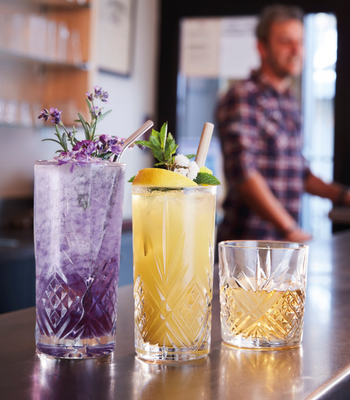
When using multicoloured tableware, clear glass is a safe way to maintain visual balance.
Coloured glassware can also be used, but it is advisable to limit the number of competing colours.
Colourful tableware and steel cutlery
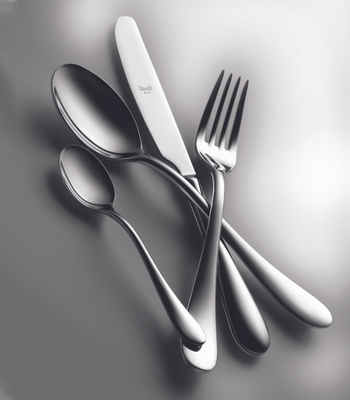
Classic steel is a neutral complement to a multicoloured table.
This ensures that the plates and the food itself can continue to take centre stage.
Colourful tableware and black cutlery
Black cutlery gives multicoloured tableware a more modern and graphic character.
They work particularly well with surfaces featuring dark elements or distinct borders.
Colourful tableware and gold cutlery
Gold cutlery can add warmth to multicoloured tableware and introduce a more elegant touch.
They work best where the gold finish finds a visual counterpart in the décor or the warm colours of the tableware.
Colourful tableware in a mix & match style
Colourful tableware is particularly well-suited to mix & match, as its purpose can be to deliberately combine several colour palettes and collections.
However, the best effect is achieved with a recurring theme — a shared colour, texture, form or decorative style.
Mix & match in a restaurant
‘Mix & match’ should not mean randomly combining tableware.
A professional table looks cohesive when different colours are combined according to a specific stylistic principle.
Colourful tableware and interior style
Multicoloured tableware can liven up a minimalist interior or complement a more eclectic concept.
However, it is worth maintaining a distinction between the colour of the table and the tableware so that individual elements remain clearly distinguishable.
Colourful tableware in a modern restaurant
Simple forms combined with irregular colours suit contemporary tableware well.
In its current catalogue, Fine Dine emphasises the importance of table aesthetics, visual coherence and thoughtful tableware design in modern gastronomy. :contentReference[oaicite:3]{index=3}
Colourful tableware in a natural interior
Multicoloured surfaces inspired by earth, water and vegetation complement wood, stone and natural textiles well.
This allows you to create a more organic table setting without sacrificing vibrant colours.
Colourful tableware in an industrial-style restaurant
Concrete, steel and dark wood create a neutral backdrop against which colourful tableware stands out particularly well.
In such an interior, tableware can serve as the main accent, breaking up the greyness of the décor.
Colourful tableware and seasonal menus
Multicoloured tableware can be used all year round, but different parts of its colour palette can be highlighted by other seasonal ingredients.
In spring, green may dominate; in summer, fruit and vibrant vegetables; in autumn, oranges and browns; and in winter, deeper reds and darker sauces.
Colourful tableware and food photography
A multicoloured surface can make a photograph of a dish more recognisable and distinctive.
When taking photographs, however, care must be taken to ensure that the tableware’s decoration does not distract attention from the most important element — the dish itself.
Colourful tableware as part of a restaurant’s identity
A consistent colour palette or distinctive tableware design can become part of the restaurant’s visual language.
This allows colour to appear consistently across the table setting, menu photographs and the restaurant’s communications.
How to match a coloured plate to a dish?
First, it is worth identifying the dominant colours of the dish, and then finding a space or shade on the plate that will provide the right contrast.
With a very complex surface, it is best to carry out a test plating rather than assessing the plate without the food.
How do you choose a colour palette for tableware?
You can build a table setting around complementary colours, tonal colours, or a neutral base complemented by intense accents.
The most important thing is to repeat a few carefully chosen colours rather than randomly combining the entire available palette.
How do you choose the texture of coloured tableware?
Colour and texture work together. A smooth, multi-coloured design creates a different effect to a speckled, matt or distinctly tonal surface.
It is worth matching the texture to both the character of the interior and the way the dishes are presented.
How to choose the shape of a coloured plate?
Function remains the most important factor. Flat plates, deep plates, coupe plates, rimmed plates or bowls offer different possibilities for professional service.
The decoration should complement the chosen shape, rather than replace its functionality.
How to choose the size of a coloured plate?
The size should correspond to the portion and the amount of space needed for plating.
It is worth leaving enough visible surface area if the colour or decoration is to be part of the intended effect.
How do you put together a coloured tableware set?
You can start with the most distinctive plates for main courses, and then select bowls, soup plates and serving platters.
Multicoloured tableware can also serve purely as an accent amongst a more uniform set.
One colourful collection or several?
A single collection makes it easier to maintain consistency in decoration and shapes.
Combining several ranges, on the other hand, can create a more interesting effect if they share a common colour palette or have a similar surface finish.
Functional characteristics of coloured tableware
Whether items are dishwasher-safe, microwave-safe, stackable or suitable for use at specific temperatures depends on the material and the specific product.
A multicoloured design alone does not determine the functional properties of the tableware.
Colourful tableware for intensive use
In professional catering, tableware is constantly being moved, washed, stacked and returned to the dining area.
Therefore, in addition to appearance, one must take into account ergonomics, weight, storage methods and the specifications of the specific collection.
Colourful tableware for the home too
Colourful tableware can also be an interesting choice for private customers looking for a more original way to serve food.
Multicoloured plates and bowls can be combined with simple glassware, neutral cutlery and more understated tableware items.
How to choose colourful tableware?
When making a purchase, it is worth comparing the colour palette, decoration style, material, texture, shape, size, type of tableware and the functional specifications of a particular product.
In a restaurant, it is particularly important to check how the tableware complements the actual menu, the lighting and the other elements of a professional table setting.
Colourful tableware – a creative backdrop for professional service
Multicoloured tableware can be vibrant, subtle, organic, elegant or very modern – depending on the colour palette, form and texture.
They give chefs the opportunity to use colour not only as decoration, but as a genuine element of professional plating and the overall concept of the restaurant table.
Discover colourful tableware at Fine Dine
Choose colourful tableware for the catering and restaurant industry suitable for à la carte restaurants, hotels, catering services, cafés, buffets or professional events. Compare multicoloured plates, bowls, platters, cups and other tableware designed for professional service.
Choose the colour palette, material, texture and size to suit the nature of the menu and the plating style, to create an original, cohesive and functional table setting that enhances the presentation of dishes and supports the day-to-day operations of a professional catering establishment.