



Cream tableware for restaurants (257)
Cream-coloured tableware for the catering industry and restaurants is an elegant alternative to classic white, allowing you to create a warmer and more natural look for a professional table setting. Cream-coloured plates, bowls, serving platters, teacups, mugs and serving dishes complement meat, fish, vegetables, pasta, desserts, bread and breakfast dishes beautifully. The delicate colour does not overpower the food, whilst at the same time adding a softer touch to the plating than a snow-white surface.
The cream colour can take on various shades — from very light tones, similar to warm white, to vanilla, cream, ivory and subtle sandy tones. As a result, cream-coloured catering tableware suits both classic restaurants and hotels, as well as modern fine dining establishments, cafés, catering services and concepts utilising natural wood, stone and textiles. Fine Dine offers cream-coloured tableware in collections such as Pure Crema, Crema and Vanilla, which clearly demonstrates just how diverse this colour scheme can be. :contentReference[oaicite:0]{index=0}
Cream-coloured tableware in the professional catering sector
The cream colour retains much of the versatility of white, but gives the table setting a warmer and less sterile feel.
It can be used as the main tableware throughout the premises or as a subtle complement to more colourful collections.
Cream-coloured tableware for restaurants
Cream-coloured tableware for restaurants works well in establishments that wish to maintain an elegant, timeless service whilst moving away from very cool white.
It can suit classic, modern, regional, Mediterranean, plant-based and many other culinary concepts.
Cream-coloured tableware for fine dining
In fine dining, a subtle cream-coloured plate can provide a calm backdrop for very precise plating.
The warm shade complements natural ingredients well and allows for elegance without creating a very strong contrast.
A cream-coloured plate as a backdrop for a dish
A cream-coloured plate is neutral, but not entirely cool. This allows it to blend more harmoniously with browns, greens, reds, golden tones and light-coloured ingredients.
For very delicate dishes, it is worth checking whether the shade of the plate provides sufficient contrast.
Cream-coloured tableware and professional plating
A head chef can use cream-coloured tableware for a minimalist, classic or more organic presentation.
The neutral surface does not dictate a specific style and offers great flexibility when changing the menu seasonally.
Cream-coloured tableware versus warm white
The cream colour can be seen as a warmer alternative to snow-white tableware.
Fine Dine describes Pure Crema precisely as porcelain with a warm, cream shade, designed for elegant table settings. :contentReference[oaicite:1]{index=1}
Cream-coloured catering plates
Cream-coloured catering plates come in a variety of styles: flat, deep, coupe, rimless, with a high rim, and in more decorative and organic shapes.
The choice should be based primarily on the nature of the dish and the kitchen’s working methods.
Cream-coloured flat plates
A flat cream-coloured plate is a versatile base for main courses, starters and desserts.
The large, neutral surface allows for freedom when working with colour, texture and the space around the dish.
Cream-coloured rimless plates
Plates without a distinct rim provide a large surface area for more creative plating and can look very contemporary.
The Fine Dine Crema range includes, amongst other items, cream-coloured plates without a rim, which are positioned as part of an elegant banquet porcelain collection. :contentReference[oaicite:2]{index=2}
Cream-coloured plates with a high rim
A high rim helps to focus the composition in the centre of the plate and works well with dishes served with sauce, risotto or more precise plating.
Such designs can be found, amongst others, in the Fine Dine Pure Crema collection. :contentReference[oaicite:3]{index=3}
Cream-coloured deep plates
Deep plates can be used for pasta, risotto, cream soups, dishes with sauce and many modern restaurant presentations.
The warm surface surrounding the dish creates a more soothing effect than a high-contrast black or coloured rim.
Cream-coloured catering bowls
Cream-coloured bowls can be used for salads, breakfasts, ramen, soups, side dishes and desserts.
The neutral colour scheme also works well in buffet service, where very different items may be served in a single dish.
Cream-coloured platters
Cream-coloured platters can be used for fish, meat, vegetables, bread and dishes intended for sharing.
The subtle colour ensures the dish does not compete with the abundance of ingredients in the centre of the table.
Cream-coloured cups and mugs
The cream colour complements coffee and tea sets very well.
It can suit both a classic hotel restaurant and a more rustic café featuring wood, stone and warm lighting.
Cream-coloured coffee and tea ware
Jugs, milk jugs, cups and saucers allow you to create a cohesive drinks service in a single, calm colour palette.
Pure Crema also includes items such as milk jugs, soup bowls, saucers and tureens, allowing the cream colour to be used more widely than just on plates. :contentReference[oaicite:4]{index=4}
Cream-coloured catering porcelain
Cream-coloured catering porcelain is one of the most important groups in this category and can form the basis of a complete restaurant or hotel service.
Porland is also developing professional cream-coloured porcelain designed for the demanding HoReCa environment, which confirms the importance of this colour scheme in the hospitality industry. :contentReference[oaicite:5]{index=5}
Cream-coloured Vitrified porcelain
In the Fine Dine range, the cream colour is also available in Vitrified porcelain.
Pure Crema is described as cream-coloured catering porcelain with a warm hue, and its technical and functional specifications should always be referred to in relation to a specific product or collection. :contentReference[oaicite:6]{index=6}
Cream-coloured stoneware and ceramics
The cream colour can also be found in more organic materials and forms.
In this context, texture, surface irregularities and the glazing technique take on particular significance.
Light cream tableware
Very light cream shades remain close to classic white, but bring a little more warmth to the table.
This is a good choice for hotels, classic restaurants, banquets and venues seeking a timeless base.
Vanilla tableware
Vanilla shades are warmer and more natural than cool white.
Fine Dine Vanilla is an example of cream-coloured tableware with a more rustic and decorative character, also designed for professional catering. :contentReference[oaicite:7]{index=7}
Cream-coloured tableware
Creamy tones create a subtle effect and can work well with warm restaurant lighting.
They look particularly good alongside natural wood, light-coloured textiles and understated table settings.
Cream tableware for hotels
A hotel needs tableware that can be used in the restaurant, for breakfasts, banquets, conferences and room service.
The cream colour is versatile enough to complement various décor styles without the need to create a separate set for each application.
Cream tableware for catering
In catering, cream tableware provides a neutral base that can be easily combined with various table decorations, glassware and cutlery.
It can be used for both elegant banquets and more informal receptions.
Cream-coloured tableware for banquets
When setting a large number of places, the cream colour creates a calm and orderly rhythm on the table.
It is less contrasting than black or intense colours, allowing glassware, cutlery and decorations to stand out more clearly.
Cream tableware for weddings
Cream tableware complements classic and natural wedding décor very well.
It can be paired with white, green, gold, wood, linen and floral decorations.
Cream-coloured tableware for buffets
Bowls and platters in shades of cream can create a serene display of a wide variety of items.
The Fine Dine Vanilla range also includes cream-coloured buffet bowls, demonstrating the practical applications of this colour palette beyond classic tableware. :contentReference[oaicite:8]{index=8}
Cream-coloured tableware for hotel breakfasts
Cream-coloured plates work well with bread, eggs, fruit, dairy products, vegetables and hot dishes.
The calm colour scheme helps maintain visual order amongst a wide variety of items.
Cream-coloured brunch tableware
Brunch features a wide range of ingredients, so neutral tableware offers great freedom in presentation.
Avocados, eggs, bread, fruit and colourful vegetables stand out well against the warm cream background.
Cream-coloured tableware for cafés
Cream-coloured cups, saucers and bowls can lend a café a calm, welcoming atmosphere.
The colour complements coffee, chocolate, pastries, wood and warm lighting.
Cream-coloured tableware for patisseries
Desserts often feature delicate colours, so a cream background can provide a very subtle backdrop for them.
With light cream-coloured dishes, it’s worth creating contrast using fruit, chocolate, decorations or the right texture of the tableware.
Cream-coloured tableware for desserts
A cream-coloured plate works well with chocolate, fruit, caramel, pistachios and dark sauces.
It can be particularly useful where a classic white surface seems too cold for the character of the dessert.
Cream-coloured tableware for bread and pastries
The warm hues of bread and baked goods naturally complement the cream colour palette.
Such tableware is well suited to bakeries, cafés, hotel breakfasts and restaurants serving their own bread.
Cream-coloured tableware for meat
The browns of roasted and grilled meat stand out well against a light cream background.
Greens, purées and darker sauces can further emphasise the structure of the whole composition.
Cream-coloured tableware for fish
Light-coloured fish can create a more subtle composition on a cream-coloured plate than on black or a bold colour.
Citrus fruits, herbs and vegetables help to introduce the necessary contrast.
Cream-coloured tableware for seafood
The pink, orange and red hues of seafood work well against a light, warm background.
The colour of the plate can emphasise the natural character of the food without creating excessive contrast.
Cream-coloured pasta plates
Tomato, green and dark sauces stand out very well against a cream surface.
With light-coloured sauces, it’s worth using herbs, vegetables or other accompaniments to provide greater visual variety.
Cream-coloured tableware for risotto
Risotto can be served in cream-coloured deep plates or those with high rims, which provide a subtle backdrop to the central composition.
Mushrooms, beetroot, herbs, seafood and vegetables provide a nice touch of contrast.
Cream-coloured tableware for plant-based cuisine
The green of vegetables, herbs, microgreens and sprouts looks good against a light cream background.
The natural colour scheme of the tableware can further enhance the character of seasonal and plant-based cuisine.
Cream-coloured tableware for Mediterranean cuisine
Tomatoes, olives, herbs, fish, seafood and olive oil create a clear, natural palette against a cream background.
This warm shade also complements wooden tables and a less formal table setting.
Cream-coloured tableware for regional cuisine
Cream and vanilla-coloured tableware pairs well with traditional dishes, bread, meat and dishes based on seasonal ingredients.
When combined with more organic shapes, they can give a table setting a contemporary yet still natural feel.
Cream tableware versus white tableware
White is cooler and offers greater contrast, whilst cream creates a calmer, warmer effect.
Both colours can be combined, but it is worth comparing their shades beforehand, as the difference in colour temperature can be very pronounced.
Cream tableware versus black tableware
Black creates a strong, elegant contrast with cream.
You can use both colours in a single place setting, assigning them to different dishes or courses.
Cream tableware and brown
Brown and cream create a natural, warm and calm colour palette.
This combination works particularly well with wood, leather, linen and other natural materials.
Cream tableware and beige
Cream and beige create a tonal combination with little contrast.
This can be a good choice for venues aiming for a minimalist and organic table setting.
Cream tableware and green
Green clearly enlivens the cream base and complements it well, both in the tableware itself and in the plating.
This is a natural choice for plant-based restaurants and seasonal concepts.
Cream tableware and blue
Navy and sky blue create a cooler contrast against the warm cream background.
This combination can work well with elegant hotel tableware and a menu centred on fish and seafood.
Cream-coloured tableware in a mix & match scheme
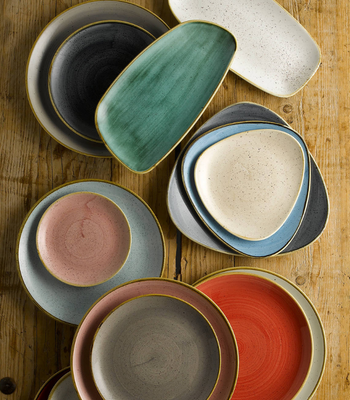
Cream tableware makes an excellent base for mix & match, as it does not compete with more saturated colours.
It can be combined with green, blue, brown, black, grey or earth tones.
Fine Dine Vanilla cream tableware and mix & match
Fine Dine Vanilla was designed as a cream element within a broader colour palette and can be combined with other colours within the same tableware range. :contentReference[oaicite:9]{index=9}
This is a good example of using cream as a neutral link between more intense tableware colours.
Cream tableware and stainless steel cutlery
Classic stainless steel cutlery creates a calm and versatile combination with cream tableware.
This works well in both everyday restaurants and more formal settings.
Cream-coloured tableware and gold cutlery
The gold finish emphasises the warm character of the cream-coloured tableware.
This can be a particularly attractive combination for hotels, premium restaurants and elegant banquets.
Cream tableware and black cutlery
Black cutlery enhances the contrast and gives cream tableware a more contemporary feel.
This combination works well in minimalist and industrial interiors.
Cream tableware and glassware
Transparent glassware helps to maintain the light and elegant feel of the table.
The cream colour works well with both classic wine glasses and more decorative tableware.
Cream tableware in a classic restaurant
Classic designs in cream can look softer than traditional white porcelain.
They pair well with tablecloths, silver or stainless steel cutlery and clear glassware.
Cream-coloured tableware in a modern restaurant
The cream colour is not reserved for classic tableware sets.
Simple shapes, high rims and organic forms mean it can also be used in very contemporary plating.
Cream-coloured tableware in a natural interior
Wood, stone, linen and greenery complement the cream colour palette well.
This combination creates a calm backdrop for the dish and can emphasise the natural character of the entire concept.
Cream-coloured tableware in a minimalist interior
In a minimalist venue, a cream-coloured plate can replace classic white without introducing a colour that is too intense.
The proportions, shape and texture of the tableware itself then become particularly important.
Cream-coloured tableware and lighting
Creamy shades can look different in daylight and under warm restaurant lighting.
Before purchasing a larger quantity of tableware, it is worth testing a sample in the actual conditions of the restaurant.
Cream-coloured tableware and food photography
A light, warm background can work well in food photography, particularly with dishes featuring natural colours.
However, it is worth adjusting the white balance to ensure the photos capture the true colours of both the food and the tableware itself.
Cream-coloured tableware and seasonal menus
Cream can be used all year round and works well with a wide variety of seasonal colour palettes.
In spring, it highlights fresh greens; in summer, fruit and vegetables; in autumn, mushrooms and pumpkin; and in winter, rich sauces and roasted dishes.
Cream-coloured tableware as part of a restaurant’s identity
Consistent use of a warm, light colour palette can become part of the venue’s visual identity.
This works particularly well in restaurants and hotels that prioritise a subtle, timeless aesthetic.
How to match a cream-coloured plate to a dish?
Firstly, it’s worth assessing the dominant colours of the dish. Green, red, brown, navy blue accents and dark sauces stand out well against a light cream background.
With very light-coloured dishes, it’s worth creating additional contrast through garnish, sauce or texture.
How do you choose the shade of cream tableware?
Some collections are very close to white, whilst others have a more vanilla, cream or sandy character.
It is best to match the colour temperature to the lighting in the room, the worktops, textiles and other elements of the table setting.
How do you choose the texture of cream-coloured tableware?
Smooth surfaces look more classic and neutral, whilst tonal glazes and hand-decoration introduce a more artisanal character.
These characteristics should always be assessed at the level of the specific collection.
How to choose the shape of a cream-coloured plate?
The most important factor is the intended use of the piece. A flat plate, a deep plate, a plate with a high rim, a coupe or a bowl each offer different possibilities.
The cream colour can serve as a unifying element linking different formats within a single tableware set.
How do you choose the size of a cream-coloured plate?
The size should correspond to the portion size and the amount of free space required for plating.
It is also worth taking into account the size of the table and the space required for glasses and cutlery.
How do you put together a cream-coloured tableware set?
A good starting point is plates for the main courses, followed by bowls, deep plates, serving platters and a coffee set.
Extensive collections may also allow you to supplement the set with tureens, sauce boats, milk jugs and other serving pieces.
A single cream-coloured collection or mix & match?
A single collection ensures maximum consistency in shade and form.
Mix & match, on the other hand, can create a more interesting, relaxed effect if the cream-coloured tableware is deliberately combined with other colours.
Practical features of cream-coloured tableware
Whether items are dishwasher-safe, stackable, microwave-safe or suitable for use at specific temperatures depends on the specific product.
One set of properties should not be assumed to apply to the entire category.
Cream-coloured tableware for intensive service
In professional catering, tableware is regularly moved, stacked, washed and returned to the dining area.
Therefore, in addition to appearance, it is worth assessing the ergonomics, weight, storage methods and properties of a specific collection.
Cream-coloured tableware for the home too
Cream-coloured tableware can also be a good choice for private customers seeking a understated, professional aesthetic.
It can be easily combined with natural wood, glass, white, green, brown and more vibrant colours.
How to choose cream-coloured tableware?
When purchasing, it is worth comparing the shade of cream, the material, the texture, the shape, the size, the type of tableware and the functional specifications of a particular product.
In a restaurant, it is also particularly important to match the tableware to the menu, the interior and the way the kitchen and service staff operate.
Cream-coloured tableware – a warm alternative to classic white
The cream colour retains the elegance and versatility of light-coloured tableware, whilst lending the table setting a warmer and more natural feel.
It can be classic, rustic, minimalist or modern — depending on its shape, texture and how it is combined with other table elements.
Discover cream-coloured tableware at Fine Dine
Choose cream-coloured tableware for the catering and restaurant industry suitable for à la carte restaurants, hotels, catering services, cafés, buffets, banquets or professional events. Compare cream-coloured plates, bowls, serving platters, cups and other tableware designed for professional service.
Choose the shade, material, texture and size to suit the nature of the menu and the plating style, to create an elegant, warm and cohesive table setting that enhances the presentation of dishes and supports the day-to-day running of your establishment.