
Orange tableware for restaurants (51)
Orange tableware for the catering and restaurant industry adds a warm, vibrant and striking splash of colour to professional table settings. Orange plates, bowls, serving platters, teacups, mugs and serving dishes can provide an attractive backdrop for meat, fish, seafood, vegetables, pasta, desserts and seasonal dishes. The warm colour scheme pairs well with green, white, cream, dark sauces and vibrant purple and red accents.
Orange catering tableware can come in a wide variety of shades — from light and fresh tones to amber, copper, terracotta, rust and deep orange-brown hues. As a result, it can suit everything from modern fine dining to casual dining restaurants, steakhouses, cafés, hotels and concepts utilising wood, stone and other natural materials. The character of the tableware is determined not only by its colour, but also by its texture, glaze, shape and decoration.
Orange tableware in professional catering
The colour orange allows you to create a warmer and more dynamic table setting than classic white or grey.
It can be used as the dominant colour scheme for the entire service or as a single accent to complement selected dishes, the season or a section of the menu.
Orange tableware for restaurants
Orange tableware for restaurants can work well in establishments focused on modern plating, seasonal cuisine, dishes prepared over an open flame, and more natural table settings.
A carefully chosen shade allows it to be used in both relaxed casual dining settings and more elegant service.
Orange tableware for fine dining
In fine dining, an orange plate can serve as a striking visual element and deliberately alter the perception of the entire composition.
Subdued shades of amber, rust and terracotta can create a more subtle effect than an intense, pure orange.
An orange plate as part of the plating
An orange plate actively influences the way a dish is presented, so it is worth choosing one that complements the dominant colours of the ingredients.
Fresh greens, white sauces, light-coloured purées, dark meats and purple accompaniments can create particularly striking combinations against such a backdrop.
Orange tableware and professional plating
The colour of the plate can enhance contrast, create a more tonal composition or emphasise the seasonal nature of the dish.
The best results are achieved by testing a specific dish on the chosen plate under the restaurant’s actual lighting.
Orange tableware and colour contrast
Orange surfaces pair well with green, navy blue, purple, black, white and cream.
For dishes based on pumpkin, carrots, sweet potatoes and other ingredients of a similar colour, it is worth introducing a stronger contrast through a sauce, garnish or a different texture.
Orange catering plates
Orange catering plates are available as flat, deep, coupe and rimmed styles, as well as in oval, rectangular and more organic shapes.
The choice of plate type should be based primarily on the type of dish being served and the kitchen’s working methods.
Orange flat plates
A flat plate provides a large surface area for presenting main courses, starters and desserts.
The orange background works particularly well with compositions featuring plenty of greenery, light-coloured sauces and darker elements.
Orange soup plates
Soup plates can be used for pasta, risotto, cream soups, dishes with sauce and many contemporary centrepieces.
The warm colour visible around the food creates an additional visual frame for the entire dish.
Orange coupe plates
The coupe shape allows the colour to be used across almost the entire surface of the plate and suits modern plating styles well.
In this shape, both intense and more earthy shades can become a key element of the composition.
Orange catering bowls
Orange bowls can be used for salads, soups, ramen, poke bowls, breakfasts, desserts and side dishes.
In deep bowls, the colour surrounds the dish from many sides, which is why it has a particularly strong influence on how it is perceived.
Orange serving platters
Platters in shades of orange can be used to serve meat, fish, vegetables, snacks and dishes intended for sharing.
Placed at the centre of the table, this colour can become one of the strongest elements of the entire arrangement.
Orange teacups and mugs
Orange teacups and mugs can give a coffee service a warmer, more distinctive look.
They pair well with coffee, chocolate, pastries and the natural materials used in the café’s interior.
Orange catering porcelain
Orange catering porcelain allows you to combine the professional character of the tableware with a bolder colour palette.
Performance specifications, durability, care instructions and stackability should always be checked for the specific collection or product.
Orange stoneware and ceramics
Warm shades also look good on more organic ceramic and stoneware surfaces.
In such tableware, the tone of the glaze, the natural texture and the irregularity of the form take on particular significance.
Light orange tableware
Lighter shades create a fresher, more energetic effect and suit modern cafés, brunch spots and restaurants with a light, airy décor.
Against a light-coloured tablecloth, they can serve as the main colour accent for the entire table setting.
Amber tableware
Amber tones are calmer and more natural than intense orange.
They pair well with brown, cream, black, wood and warm lighting.
Rust-coloured tableware
Rusty shades combine orange with brown and red, giving them a more earthy and natural look.
This is an interesting direction for restaurants based on seasonal produce, barbecuing, roasting and fire-inspired cuisine.
Terracotta tableware
Terracotta tones lend the table a warm, organic character and complement wood, linen and stone well.
They can be used in both rustic restaurants and modern establishments featuring simple designs.
Fine Dine Dahlia orange tableware
Fine Dine Dahlia is an example of professional orange catering porcelain, comprising, amongst other items, plates and bowls. The manufacturer positions this tableware for intensive use in a professional kitchen. :contentReference[oaicite:0]{index=0}
The orange colour scheme can be used both on its own and in combination with other colours in a professional table setting.
Porland Seasons Amber
Porland Seasons Amber showcases a more amber-coloured, natural take on orange tableware. The collection includes, amongst other items, coupe plates, soup plates and coffee service items designed for professional restaurants, cafés and hotels. :contentReference[oaicite:1]{index=1}
This is a good example of how orange tableware need not be limited to a single, intense colour.
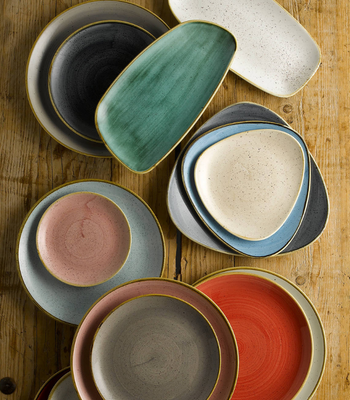
Churchill Stonecast Spiced Orange
Churchill Stonecast Spiced Orange features a warm orange hue and the hand-decorated finish characteristic of this collection. The manufacturer designs Stonecast with the professional hospitality sector in mind. :contentReference[oaicite:2]{index=2}
This finish allows for a more natural and less uniform table presentation.
Orange meat serving set
Grilled and roasted meat pairs well with a warm orange background, particularly when the composition includes lighter purées, herbs or dark sauces.
With more rust-coloured shades, you can also create a calm, tonal palette inspired by fire and roasting.
Orange tableware for a steakhouse
Orange-brown, rust-coloured and terracotta tableware fits well with the aesthetic of steakhouses and grill-based restaurants.
Natural wood, black cutlery and clear glass can further emphasise this character of the tableware.
Orange tableware for fish
Light-coloured fish meat can create a strong contrast with a more intense orange plate.
Greens, citrus fruits and light-coloured emulsions further help to highlight the individual elements of the dish.
Orange tableware for seafood
Prawns and other seafood often have natural orange and pink hues, so you can opt for either a tonal presentation or a stronger contrast using green, white and dark accents.
The specific shade of the tableware is particularly important in this case.
Orange tableware for plant-based cuisine
Green vegetables, herbs, sprouts and microgreens contrast particularly well with an orange surface.
This is an interesting direction for plant-based restaurants and establishments using seasonal vegetables and local produce.
Orange tableware for pumpkin dishes
Pumpkin-based dishes can create a tonal composition with an orange plate.
It is then worth introducing darker sauces, green herbs, light-coloured creams or another distinctive element that will set the dish apart from the surface of the plate.
Orange tableware for vegetables
Green, purple, red and light-coloured vegetables can create a very clear contrast against an orange background.
A warm colour palette also works well with roasted root vegetables and autumn dishes.
Orange tableware for pasta
Pasta with green pesto, dark ragù or a light creamy sauce can look great on an orange plate.
With tomato-based sauces, it’s worth choosing a shade that ensures a clear distinction between the dish and the surface of the plate.
Orange tableware for risotto
A pale risotto can stand out clearly against an amber or rust-coloured background.
Mushrooms, herbs, seafood and colourful vegetables can further enrich the overall palette.
Orange tableware for Asian cuisine
Orange bowls and plates can work well with rice, dark sauces, green vegetables and other vibrant ingredients found in Asian cuisine.
It is also important to choose the right depth and shape for a particular dish.
Orange tableware for desserts
Orange plates can attractively showcase chocolate, white creams, vanilla, pistachios, berries and dark sauces.
For desserts based on orange, apricot or caramel, it is worth ensuring there is some additional contrast.
Orange tableware for chocolate
Dark chocolate creates a striking, warm combination against an orange and amber background.
White creams, fruit and green pistachios can further enhance the presentation.
Orange breakfast tableware
Eggs, avocado, bread, fruit and cheese offer a wide range of colours that work well with a warm background.
Orange plates and bowls can give a breakfast spread a more vibrant feel.
Orange brunch tableware
Brunch combines different types of tableware and a large number of colourful ingredients, so orange tableware can become a distinctive feature of the presentation.
It pairs well with light-coloured wood, greenery and simple glassware.
Orange tableware for cafés
Orange cups, mugs and saucers can introduce a warm and more distinctive colour scheme to a café.
Amber and rusty shades go particularly well with coffee, hot chocolate and pastries.
Orange tableware for hotels
In hotels, orange tableware can be used in restaurants, breakfast areas, lobby bars, room service and at banquets.
It can form a complete tableware set or complement cream, white, grey or black tableware.
Orange tableware for catering
Orange and amber tableware can work well at corporate events, weddings, outdoor receptions and themed dinners.
Warm shades pair particularly well with natural decorations, wood and autumnal arrangements.
Orange tableware for buffets
Orange bowls and platters can add a warm touch to a buffet and help create an attractive display.
When using them in this way, you should always check the specifications of the specific product and its intended use.
Orange tableware and seasonal menus
Orange tableware can be used all year round, but it blends particularly naturally with the autumnal range of produce.
Pumpkin, mushrooms, root vegetables and roasted dishes can create tonal compositions, whilst in spring and summer, vibrant greens and fresh fruit provide a stronger contrast.
Orange tableware in a mix & match scheme
Orange tableware works very well as an accent amongst more neutral colours.
It can be combined with cream, white, grey, black, green, navy blue, brown and beige.
Orange and cream tableware
Cream softens the intensity of orange shades and creates a calmer, warmer palette.
This combination works particularly well with wood, linen and natural stone.
Orange and white
White provides a clean, clear contrast and allows orange tableware to be used as a bold accent.
For example, you can pair white dinner plates with orange bowls, or vice versa.
Orange and black
Black deepens the warm orange tones and gives the table setting a bolder character.
This combination works well in a steakhouse, cocktail bar or modern restaurant.
Orange and grey
Grey balances the intensity of orange and helps create a more contemporary colour scheme.
It works well with concrete, steel and industrial interiors.
Orange and green
Green is one of the strongest contrasts to an orange background.
This combination works well both in the tableware itself and when plating vegetables, herbs or fresh salads.
Orange and navy blue
Navy blue creates a deep, cool contrast to warm orange tones.
This combination can look elegant and very modern.
Orange tableware and stainless steel cutlery
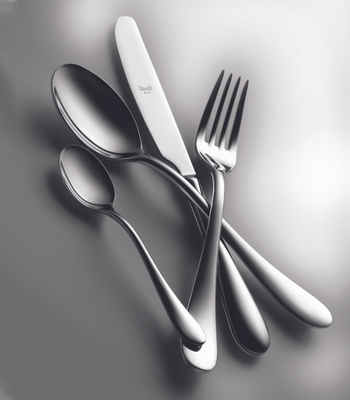
Stainless steel cutlery provides a neutral complement to orange tableware, allowing the colour of the tableware to take centre stage.
This is a versatile solution for both everyday use and more elegant table settings.
Orange tableware and black cutlery
Black cutlery enhances the contrast and works well with rust-coloured, amber and terracotta surfaces.
This combination can look particularly good in loft and industrial-style interiors.
Orange tableware and gold cutlery
Gold emphasises the warm colour palette and helps create a more decorative effect.
The most harmonious combinations are usually achieved with amber and more subdued shades.
Orange tableware and glassware
Clear glass helps maintain balance when the tableware is more vibrant.
Coloured glass can also be used, but it’s worth keeping the number of strong accents on a single table to a minimum.
Orange tableware in a natural interior
Warm shades work very well with wood, stone, linen and greenery.
Such a combination can emphasise seasonal, regional cuisine based on natural produce.
Orange tableware in an industrial interior
Orange, rust and terracotta colours can add warmth to concrete, steel and dark furnishings.
This is a good direction for loft-style restaurants, steakhouses and modern casual dining concepts.
Orange tableware in an elegant restaurant
Orange does not necessarily mean a casual setting. Deep amber and rusty shades can look elegant when paired with the right glassware and cutlery.
In such cases, the quality of the finish and the shape of the tableware are of great importance.
Orange tableware and texture
The colour can look completely different on a smooth, glossy, matt, speckled or reactive-glazed surface.
Therefore, when making a choice, it is worth considering the entire piece of tableware, rather than just its colour name.
Orange tableware with reactive glaze
In selected collections, reactive glaze can create subtle tonal variations and a more organic appearance.
Porland Seasons Amber is an example of a professional range in which the Seasons aesthetic is combined with a warm, amber palette. :contentReference[oaicite:3]{index=3}
Hand-decorated orange tableware
Hand decoration can introduce slight variations between individual pieces and give the tableware a more artisanal character.
Churchill Stonecast Spiced Orange is officially described as hand-decorated professional tableware inspired by seasonal ingredients. :contentReference[oaicite:4]{index=4}
Orange tableware and food photography
A warm background can work very well in food photography, particularly when a dish features greens, whites or cooler colours.
However, it is worth controlling the colour temperature of the light so that the orange tableware does not unduly affect the colour rendering of the dish.
Orange tableware as part of a restaurant’s brand identity
A warm colour used consistently can become part of the venue’s recognisable aesthetic.
It can feature on the table, in food photography and in the way selected menu items are presented.
How to match an orange plate to a dish?
Firstly, it is worth identifying the dominant colours of the dish. Green, white, purple, navy blue accents and dark elements usually contrast well with an orange background.
For dishes in a similar colour palette, it’s worth choosing a lighter or darker shade, or introducing additional contrast through garnish and sauce.
How do you choose the right shade of orange tableware?
Bright orange is more vibrant, whilst amber and copper look calmer, and rust and terracotta lend a more natural feel.
It’s worth comparing the shade against the actual lighting, the table top and the colour scheme of the menu.
How do you choose the texture of orange tableware?
Smooth surfaces look more modern, whilst tonal variations, speckles and hand-decoration can give the tableware a more natural character.
These characteristics should always be considered in relation to a specific product or collection.
How do you choose the shape of an orange plate?
The most important factor is the function of the tableware. A flat plate, a deep plate, a coupe or a bowl offer completely different plating possibilities.
The colour should enhance a well-chosen shape, rather than override the decision on the appropriate format.
How do you choose the size of an orange plate?
The size should be tailored to the portion size, the amount of free space needed for plating, and the size of the tables.
In a professional restaurant, you must also take into account how the tableware and other place settings are carried.
How do you put together a set of orange tableware?
A good starting point is the plates used for the main courses, followed by bowls, deep dishes, serving platters and coffee service items.
The colour orange can also function purely as an accent amongst white, cream, black or grey tableware.
A single collection or an orange mix & match?
A single collection ensures greater consistency in shade and form.
Mix & match, on the other hand, allows you to combine orange tableware with cream, green, navy blue, black, brown and other colours.
Performance characteristics of orange tableware
Dishwasher-safe, microwave-safe, stackable and suitable for use at specific temperatures – these features depend on the specific product.
The characteristics of a single range should not automatically be assumed to apply to the entire category.
Orange tableware for intensive use
In the professional catering sector, tableware is regularly transported, stacked, washed and reused.
When making a selection, it is therefore also worth considering the ergonomics, weight, storage method and properties of the specific item.
Orange tableware for the home too
Orange tableware can also be an interesting choice for private customers looking for a warmer and more distinctive way of serving food.
It can form a complete set or be combined with cream, white, green, navy blue, brown or black.
How to choose orange tableware?
When purchasing, it is worth comparing the shade, material, texture, shape, size, type of tableware and the functional specifications of a particular product.
In a restaurant, it is also particularly important to check how the tableware complements the actual menu, the interior, the lighting and the other elements of a professional table setting.
Orange tableware – a warm colour in a professional setting
Orange can be intense and energetic or calm, earthy and elegant – depending on the shade, texture and shape of the piece.
It gives chefs the opportunity to create both striking contrasts and more natural compositions inspired by seasonal produce, fire and an earthy colour palette.
Discover orange tableware at Fine Dine
Choose orange tableware for the catering and restaurant industry suitable for à la carte restaurants, hotels, catering services, cafés, steakhouses, buffets or professional events. Compare orange plates, bowls, platters, cups and other tableware designed for professional service.
Choose the shade, material, texture and size to suit the nature of the menu and the plating style, to create a warm, cohesive and functional table setting that enhances the presentation of dishes and supports the day-to-day operations of a professional catering establishment.