
Pink tableware for restaurants (25)
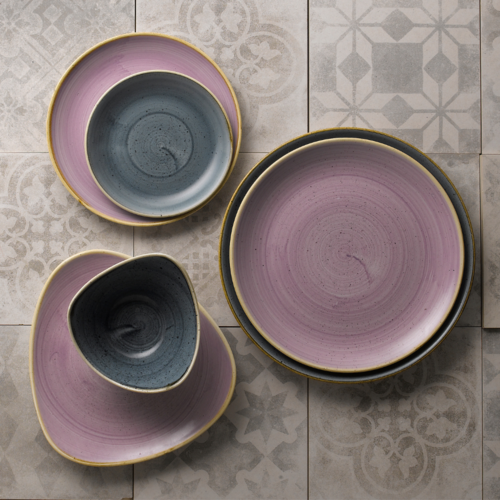
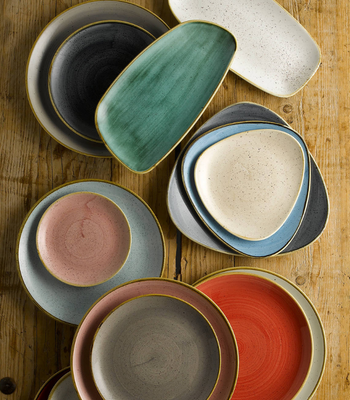
Pink tableware for the catering and restaurant industry allows you to add a subtle, fresh or bold splash of colour to a professional table setting. Pink plates, bowls, serving platters, teacups, mugs and serving dishes can provide an attractive backdrop for desserts, fruit, vegetables, fish, seafood, breakfast dishes, pasta and more creative fine dining compositions. Pink pairs well with green, white, cream, brown, black, purple, and accents of gold and dark blue.
Pink catering tableware can encompass a wide palette — from light powder pink, pastel and salmon tones to muted pink, coral, raspberry and deeper pink-burgundy shades. The character of the tableware also depends on the material, shape, texture and surface finish. As a result, pink can look light and delicate, but also natural, modern or very elegant.
Pink tableware in professional catering
The colour pink offers far more possibilities than just sweet or decorative arrangements.
In professional catering, it can be used for fine dining, signature cuisine, desserts, seafood, brunch, cafés, hotels and modern catering.
Pink tableware for restaurants
Pink tableware for restaurants allows you to move away from classic white and introduce a more distinctive colour palette without having to choose very dark tableware.
Depending on the shade, it can work well for both light, casual dining and elegant evening service.
Pink tableware for fine dining
In fine dining, a pink plate can provide a subtle backdrop for a minimalist dish or become a more prominent element of the overall composition.
The contrast between the surface of the plate, the main dish, the sauce and the garnish is of great importance.
A pink plate as part of the plating
A pink plate can work particularly well with green, white, dark chocolate, purple, brown and light-coloured ingredients.
For dishes with similar pink or red colour schemes, it is worth creating a stronger contrast through garnishes or choosing a plate in a noticeably lighter or darker shade.
Pink tableware and professional plating
The colour of the tableware should be chosen to complement the actual dish. The same dessert or starter can look completely different against a light powder pink background compared to a deeper raspberry one.
A trial plating session is the best way to assess how colour, texture and lighting work together.
Pink tableware and colour contrast
Green is one of the most striking contrasts for a pink surface. White, cream, black, navy blue and dark brown also work well.
Such a wide palette allows pink tableware to be used not only for desserts but also for savoury dishes.
Pink catering plates
Pink catering plates are available as flat, deep, coupe, presentation and high-rimmed models.
On FineDine.pl, the Rosa collection includes, amongst others, flat plates, dessert plates, presentation plates and high-rimmed models, demonstrating that pink tableware can be used for many courses of a professional menu. :contentReference[oaicite:0]{index=0}
Pink dinner plates
A dinner plate provides a large surface area for presenting starters, main courses and desserts.
In the pink version, it can work particularly well with ingredients featuring distinct green, light or dark colours.
Pink dessert plates
Pink dessert plates are the natural choice for patisseries, cafés, hotel restaurants and extensive dessert menus.
The Fine Dine Rosa range includes, amongst other items, pink porcelain dessert plates designed for professional service. :contentReference[oaicite:1]{index=1}
Pink plates with a high rim
The high rim helps to focus the presentation in the centre of the plate and works well with risotto, pasta, desserts and dishes served with sauce.
These sizes are also available in the Fine Dine Rosa collection. :contentReference[oaicite:2]{index=2}
Pink presentation plates
A presentation plate allows the colour to be used as an element of the entire table setting even before the main course is served.
Fine Dine Rosa also includes pink presentation plates, allowing the colour to be incorporated into a more elegant table setting. :contentReference[oaicite:3]{index=3}
Pink serving bowls
Pink bowls can be used for breakfasts, salads, soups, desserts, bowl-style dishes and various types of side dishes.
The Fine Dine Rosa range also includes bowls, allowing the pink palette to extend beyond classic plates. :contentReference[oaicite:4]{index=4}
Pink platters and serving dishes
Platters and smaller dishes can be used for starters, desserts, side dishes and dishes intended for sharing.
Depending on the size, the colour pink can be the dominant feature of the centrepiece or a subtle accent.
Pink dip bowls
Smaller pink bowls work well for sauces, dips, butters, accompaniments and tasting portions.
One example is the Fine Dine Rosa dip bowl, made of porcelain and finished with a reactive glaze, which creates unique tonal variations on the surface of each individual piece. :contentReference[oaicite:5]{index=5}
Pink coffee cups
The pink colour scheme complements coffee, light milk foam, chocolate and desserts well.
The Fine Dine Rosa range also includes espresso cups, allowing the pink colour to be used in professional coffee service. :contentReference[oaicite:6]{index=6}
Pink mugs
Pink mugs are suitable for use in cafés, breakfast restaurants, hotels and for more informal coffee and tea service.
The Rosa collection also includes porcelain mugs, allowing you to create a colour-coordinated tableware range. :contentReference[oaicite:7]{index=7}
Pink saucers and coffee service items
Saucers help maintain colour consistency between the cup and the rest of the tableware.
Fine Dine Rosa also includes pink saucers to match the coffee service items. :contentReference[oaicite:8]{index=8}
Pink catering porcelain
Pink catering porcelain can form the basis of a restaurant service or be used exclusively for selected courses on the menu.
Fine Dine Rosa is an example of professional pink porcelain comprising plates, bowls and drinkware. :contentReference[oaicite:9]{index=9}
Pink stoneware and ceramics
The colour pink can also be found on more organic ceramic and stoneware surfaces.
Tonal variations, texture, speckling and irregular glazes can give such tableware a more natural character.
Pink tableware with reactive glaze
Reactive glaze can result in natural variations in colour, tonal transitions and surface details.
This finish is featured, amongst others, in the Fine Dine Rosa collection and means that individual pieces may vary visually. :contentReference[oaicite:10]{index=10}
Powder pink tableware
Powder pink is delicate and serene, making it a subtle alternative to cream or beige tableware.
It pairs well with white, cream, green, gold accents and natural wood.
Pastel pink tableware
Pastel pink shades create a light and fresh effect, which is particularly well suited to cafés, brunch venues, patisseries and bright restaurant interiors.
However, this doesn’t mean it’s limited to sweet dishes — light pink plates can also showcase savoury dishes beautifully.
Salmon-coloured tableware
Salmon shades combine pink with warm orange tones and can look more natural than cool pastel pink.
They pair well with green, cream, brown and blue accents.
Coral tableware
Coral tableware has a more vibrant character and can provide a stronger accent on the table.
It looks good in modern restaurants, with Mediterranean cuisine, brunch and creative desserts.
Raspberry tableware
Raspberry shades are more intense and can look both elegant and bold.
They pair well with light-coloured sauces, greens, dark chocolate and gold details.
Muted pink tableware
Pink with a hint of beige, grey or earthy tones creates a more subdued effect.
These shades complement interiors featuring stone, wood and natural textiles.
Churchill Stonecast Petal Pink
Professional pink can also take on a more rustic and hand-decorated form. Churchill Stonecast Petal Pink is an example of pink tableware belonging to the recognisable Stonecast range. :contentReference[oaicite:11]{index=11}
The range includes various sizes of restaurant tableware, demonstrating that pink also works well as a fully-fledged colour for professional table settings. :contentReference[oaicite:12]{index=12}
Pink dessert tableware
Pink dessert tableware offers a wealth of possibilities when working with chocolate, creams, pistachios, fruit, caramel and confectionery decorations.
The shade of the tableware can be adjusted so that the dessert either contrasts with the surface or creates a more tonal composition.
Pink tableware for chocolate
Dark chocolate contrasts very clearly with light pink.
A deeper raspberry-coloured background can create a more atmospheric effect, particularly when the composition is complemented by light-coloured creams and fruit.
Pink fruit serving set
Blueberries, blackberries, kiwis, citrus fruits and intense greens can look good against a pink background.
With strawberries, raspberries and other red fruits, it’s worth paying closer attention to the difference in shades.
Pink tableware for pistachios
The green of pistachios creates a very clear and striking contrast with the colour pink.
This combination works well with desserts, ice cream, creams, individual portions and baked goods.
Pink tableware for patisserie
Patisseries can use pink plates, cups and bowls as part of a distinctive presentation style.
A pastel or muted finish complements intricate desserts, confectionery decorations and modern coffee service.
Pink tableware for confectioneries
In a confectionery, the colour of the tableware can be just as important a part of the visual identity as the counter, packaging or the way desserts are displayed.
Pink allows you to create both delicate arrangements and a more modern contrast with black or dark wood.
Pink tableware for cafés
Pink cups, mugs and saucers pair well with coffee, hot chocolate, pastries and desserts.
Fine Dine Rosa includes both tableware and a coffee service, allowing a single colour palette to be used across several aspects of guest service. :contentReference[oaicite:13]{index=13}
Pink tableware for brunch
Brunch offers plenty of opportunities to use pink plates and bowls for eggs, bread, fruit, avocado and other colourful ingredients.
Green complements the pink surface particularly well and helps create a fresh presentation.
Pink breakfast tableware
Pink tableware can add a more distinctive look to a hotel or restaurant’s breakfast service.
Eggs, bread, cheese, fruit and vegetables offer a wide variety of colours that complement a pink background well.
Pink tableware for fish
Light-coloured fish can stand out well against a more saturated pink plate.
Green herbs, citrus fruits and light sauces help to create a light, modern composition.
Pink tableware for seafood
Seafood naturally features shades of pink, orange and red, so pink tableware can be used to create both tonal and contrasting compositions.
With prawns or salmon, it is particularly important to choose a shade of tableware that does not blend in with the food.
Pink tableware for sushi
White rice, dark nori, green avocado and various colours of fish can work well against a pink background.
Pink plates and platters are an interesting alternative to classic black, navy blue or white.
Pink tableware for Asian cuisine
Pink bowls and plates can be used for rice, noodles, curries, Asian salads and snacks.
Dark sauces and vibrant greens contrast well with a lighter pink background.
Pink tableware for plant-based cuisine
Green vegetables, herbs, microgreens and sprouts create one of the most natural contrasts in this palette when paired with pink.
As a result, pink tableware can work well in modern plant-based restaurants and with seasonal menus.
Pink tableware for beetroot
Beetroot and a pink plate can create a tonal composition encompassing reds, pinks and purples.
Light-coloured cheese, cream, greenery or dark accompaniments then help to distinguish the individual elements more clearly.
Pink tableware for meat
The brown tones of grilled and roasted meat can look good against a muted pink background.
Greenery, light purées and darker sauces add further variety to the whole composition.
Pink tableware for pasta
Pasta with green pesto, dark ragù or a light creamy sauce can look good on a pink plate.
With tomato-based sauces, it’s worth choosing a shade that ensures a clear distinction between the dish and the plate.
Pink tableware for risotto
A light-coloured risotto contrasts well with a deeper pink background.
With beetroot risotto, on the other hand, you can deliberately create a tonal composition and break it up with greenery or a light-coloured ingredient.
Pink tableware for hotels
In hotels, pink tableware can be used in restaurants, lobby bars, for breakfasts, desserts, room service and during special events.
Fine Dine markets both the brand itself and the Rosa collection to professional chefs and customers seeking tableware with a distinctive design. :contentReference[oaicite:14]{index=14}
Pink tableware for banquets
Pink elements can complement an elegant banquet setting well, particularly when paired with white, cream, green, gold and clear glass.
Deeper shades create a less pastel and more formal look.
Pink tableware for weddings
Powdery and muted pinks fit well with many wedding themes featuring flowers, greenery, cream and natural textiles.
Pink tableware can be used as the main colour of the table setting or simply as a selected accent.
Pink tableware for catering
Pink tableware can be used at weddings, corporate events, brunches, garden parties and more decorative catering set-ups.
For large-scale set-ups, it is worth maintaining a balance between the colour of the tableware, glassware, cutlery and textiles.
Pink tableware for buffets
Pink bowls and dishes can make desserts, fruit, bread and cold snacks stand out on a buffet table.
The Fine Dine Rosa collection is also being developed with buffet applications in mind. :contentReference[oaicite:15]{index=15}
Pink tableware and white
White helps to brighten up the pink palette and creates an elegant, clean look.
You can use white tableware as a base and complement it with pink bowls, dessert plates or coffee service items.
Pink tableware and cream
Cream creates a calmer and warmer combination with pink than pure white.
It works well with powdery and muted shades of pink, as well as natural wood.
Pink tableware and green
Green creates a very strong contrast with pink and can be used both on the tablecloth itself and directly in the plating.
This combination works particularly well with desserts, plant-based cuisine, brunch and fresh herbs.
Pink tableware and black
Black can give pink tableware a bolder, more modern character and tone down its pastel appearance.
This combination works well in cocktail bars, patisseries and contemporary restaurants.
Pink tableware and grey
Grey tones down pink surfaces and integrates them well into minimalist interiors.
It can work particularly well with muted pinks and more organic ceramics.
Pink tableware and brown
Brown, wood and pink create a warm, natural palette.
This combination works well in cafés, dessert shops, bakeries and restaurants that use natural materials.
Pink tableware and navy blue
Navy blue creates a deep, cool contrast to the colour pink.
It can give the table setting a more elegant and less obvious character.
Pink tableware and purple
Pink and purple can create a tonal transition from light pastel surfaces to deep plum accents.
It’s worth complementing this palette with white, green or glass to maintain a sense of lightness at the table.
Pink tableware in a mix & match scheme
Pink tableware lends itself well to mix & match, particularly with white, cream, green, grey, black and brown.
You can also combine several shades of pink or pair it with other collections of similar texture and form.
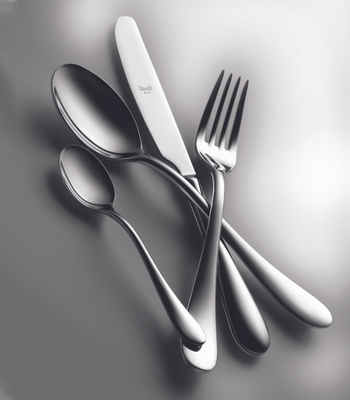
Pink tableware and stainless steel cutlery
Classic stainless steel is a neutral complement to pink tableware and allows the colour of the tableware to remain the main focal point.
This is a versatile solution for everyday professional service.
Pink tableware and gold cutlery
Gold cutlery adds warmth to the pink palette and can give it a more elegant, sophisticated character.
It works particularly well with powdery, muted and deeper shades of pink.
Pink tableware and black cutlery
Black cutlery increases the contrast and can give pink plates a more modern look.
This combination works well with darker worktops, stone and contemporary interiors.
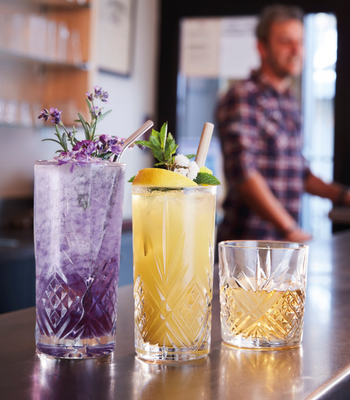
Pink tableware and glassware
Clear glass maintains the lightness of the table and does not compete with the pink colour of the tableware.
Coloured glass can also be used, but it is worth keeping an eye on the number of dominant colours.
Pink tableware in a light-coloured interior
Pastel and powdery shades work well with light wood, cream, white and natural light.
This combination is particularly well-suited to cafés, brunch venues and modern patisseries.
Pink tableware in an elegant restaurant
Muted, raspberry and deeper shades of pink can work well with gold cutlery, glassware and darker textiles.
This means the colour does not have to be exclusively light or pastel in character.
Pink tableware in a modern restaurant
Simple shapes and pink surfaces blend well with glass, concrete, stone and minimalist furnishings.
Pink can then serve as a single striking accent that breaks up a neutral space.
Pink tableware and seasonal menus
Pink tableware can complement menus all year round. In spring, they pair well with greenery; in summer, with fruit; in autumn, with beetroot and warm tones; and in winter, with chocolate and more intense desserts.
A carefully chosen shade therefore allows pink to be used much more widely than just in seasonal arrangements.
Pink tableware and food photography
A pink surface can be a distinctive element of food photography and help establish a recognisable style of communication for the venue.
When taking photographs, it is worth controlling the colour temperature of the light, particularly with pastel and salmon shades.
Pink tableware as part of a restaurant’s identity
Consistent use of pink tableware can become part of the visual identity of a café, restaurant, hotel or patisserie.
The colour can be repeated in the table setting, food photography, the interior and the way selected menu items are presented.
How do you choose a pink plate to go with a dish?
Firstly, it is worth analysing the dominant colours of the dish. Green, white, cream, brown, black and dark navy blue usually create a clear contrast with pink.
With red and pink ingredients, it is worth choosing a shade that differs significantly in intensity or using a bolder garnish.
How do you choose the right shade of pink tableware?
Powder pink is delicate, whilst salmon and coral are warmer; raspberry and darker shades, on the other hand, can look more striking.
It is worth matching the shade to the menu, the interior, the lighting and the character of the venue.
How to choose the texture of pink tableware?
A smooth glaze primarily highlights the colour, whilst reactive, tonal and speckled surfaces can give the piece a more organic character.
In the Fine Dine Rosa range, the use of reactive glaze on selected pieces creates tonal variations between individual items. :contentReference[oaicite:16]{index=16}
How to choose the shape of a pink plate?
Function remains the most important factor. Flat plates, dessert plates, soup plates, presentation plates and plates with high rims serve different purposes in professional service.
The colour should complement a well-chosen shape, rather than override the decision regarding its intended use.
How to choose the size of a pink plate?
The size should correspond to the portion and the amount of free space needed for plating.
In a restaurant, one must also take into account the size of the table, the glassware, the cutlery and the convenience of the waiting staff when carrying the crockery.
How do you put together a pink tableware set?
You can start with plates used for main courses or desserts, and then select bowls, deep plates, presentation pieces and a coffee service.
Pink can also be used simply as an accent amongst a more neutral tableware set.
A single pink collection or mix & match?
A single collection ensures greater consistency in form, texture and shade.
Mix & match, on the other hand, allows you to combine pink with cream, green, brown, grey, black and other colours found in professional tableware.
Performance characteristics of pink tableware
Whether items are dishwasher-safe, microwave-safe, stackable or suitable for use at specific temperatures depends on the specific material and product.
The performance characteristics of one pink collection should not be assumed to apply to all tableware items in this colour group.
Pink tableware for intensive use
In professional catering, tableware is regularly moved, washed, stored and returned to the dining area.
Therefore, in addition to appearance, it is worth considering the weight, ergonomics, storage method and properties of a specific model.
Pink tableware for the home too
Pink tableware can also be a good choice for private customers looking for a more restaurant-style and distinctive way of presenting dishes.
It can be combined with white, green, cream, wood, glass and more neutral table elements.
How to choose pink tableware?
When purchasing, it is worth comparing the shade of pink, the material, texture, shape, size, type of tableware and the functional specifications of the specific product.
In a restaurant, it is also particularly important to check how the tableware complements the actual menu, lighting, interior and other elements of a professional table setting.
Pink tableware – a distinctive backdrop for professional service
Pink can be pastel, natural, elegant, vibrant or deep — depending on the shade, material and texture.
It gives chefs the opportunity to create contrasts and tonal compositions for both desserts and a wide range of savoury dishes.
Discover pink tableware at Fine Dine
Choose pink tableware for the catering and restaurant industry suitable for à la carte restaurants, hotels, catering services, cafés, patisseries, buffets or professional events. Compare pink plates, bowls, platters, cups, mugs and other tableware for professional service.
Choose the shade, material, texture and size to suit the nature of the menu and the plating style, to create a cohesive and functional table setting that enhances the presentation of dishes and supports the day-to-day operations of a professional catering establishment.