
Silver tableware for restaurants
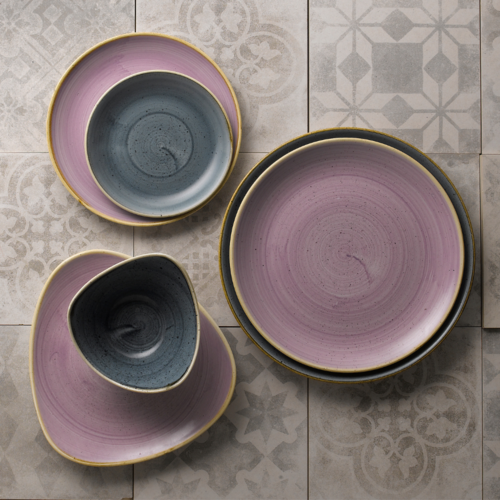
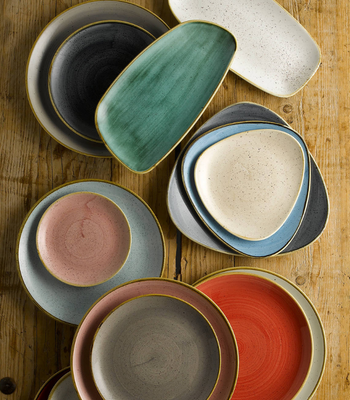
Silver tableware for the catering industry and restaurants allows you to create an elegant, modern and striking table setting, where the colour of the tableware becomes part of the professional presentation of the dish. Silver plates, bowls, platters and serving dishes complement meat, fish, seafood, vegetables, desserts and more minimalist plating styles. The cool colour palette blends effectively with green, white, black, red, purple and the warm golden and orange tones of the ingredients.
The colour silver can take various forms — from bright, luminous surfaces to steel, platinum, graphite-silver, brushed and more subdued shades. The character of the tableware also depends on its sheen, texture, decoration and its shape. As a result, silver catering tableware can suit both elegant fine dining and hotel restaurants, as well as modern concepts utilising glass, steel, stone, concrete or dark wood.
Silver tableware in the professional catering industry
The silver colour scheme allows you to move away from classic white without introducing such an intense accent as red, blue or orange.
It can be used as the primary theme for a professional table setting or to complement white, black, grey or coloured tableware.
Silver tableware for restaurants
Silver tableware for restaurants is well suited to establishments seeking to achieve an elegant and contemporary table setting.
It can be used in fine dining establishments as well as in hotel restaurants, steakhouses, seafood concepts, venues with an industrial design, or for formal dining.
Silver tableware for fine dining
In fine dining, a silver plate can create a cool, sophisticated backdrop for a precisely arranged dish.
It works particularly well in compositions that utilise stark colour contrasts and plenty of negative space.
The silver plate as an element of plating
A silver plate can reflect light or, conversely, have a calm, matt finish. In both cases, its surface influences how the dish is perceived.
When making a choice, it is worth considering not only the colour of the ingredients, but also the restaurant’s lighting and the texture of the plate.
Silver tableware and professional plating
A silver plate can effectively highlight both pale and intensely coloured ingredients.
Testing the plating on a specific plate allows you to assess whether the surface provides adequate contrast and whether the light reflections enhance the presentation of the dish.
Silver tableware and colour contrast
Shades of silver work well with black, white, green, purple, red and navy blue.
Warm-coloured ingredients such as orange, red or golden hues can stand out particularly strongly against a cooler silver background.
Silver catering plates
Silver catering plates are available as flat plates, soup plates, coupe plates, rimmed plates and in more irregular and decorative shapes.
The shape should be chosen primarily to suit the type of dish and the requirements of professional service.
Silver flat plates
A flat plate provides a large surface area for main courses, starters and desserts.
The silver background can be particularly attractive in minimalist compositions using a small number of strongly contrasting elements.
Silver soup plates
Soup plates are ideal for pasta, risotto, cream soups, dishes with sauce and many contemporary centrepieces.
The silver rim then provides an additional frame for the dish situated in the centre of the plate.
Silver coupe plates
The coupe shape allows the silver surface to be utilised across the entire plate and fits well with a modern tableware set.
It can look both elegant and minimalist, depending on the type of finish.
Silver serving bowls
Silver bowls can be used for salads, starters, bowl-style dishes, desserts and various types of accompaniments.
In a deep dish, the silver surface surrounds the food and can create a particularly striking effect when paired with brightly coloured ingredients.
Silver platters
Silver platters can be used for fish, seafood, meat, snacks and dishes intended for sharing.
Placed in the centre of the table, they can serve both a practical and a decorative purpose.
Silver serving dishes
Bowls, platters and other items in shades of silver can help maintain the cohesion of the entire service.
Not all pieces need to have an identical finish — a combination of matt and more lustrous surfaces can create an interesting effect if used consistently.
Silver-coloured catering porcelain
Silver-coloured catering porcelain may use the silver colour as the main finish or as a decorative element.
The type of decoration and the resulting functional properties should always be checked for a specific collection or product.
Silver ceramics and stoneware
Silvery, steel and graphite effects can also be found on ceramic and stoneware surfaces.
In this form, the colour is often combined with tonal variations, speckling and a more organic texture.
Silver colour versus metallic finish
A silver-coloured piece does not always have to have a truly metallic surface. The silvery effect may result from the colour of the glaze, the decoration or a combination of several cool tones.
This is significant for both the appearance and the functional characteristics of a particular product.
Light silver tableware
Light silver tones create a light, luminous and elegant effect.
They pair well with white, clear glass and subtle textiles at banquets and formal dining occasions.
Steel-toned tableware
Steel surfaces have a more technical and modern character than classic polished silver.
They suit industrial-style restaurants, modern steakhouses and interiors featuring concrete, steel and dark wood.
Platinum-toned tableware
Platinum tones can offer a more subtle alternative to highly polished silver.
When combined with simple designs, they work well in an elegant and minimalist table setting.
Graphite-silver tableware
Darker silver and graphite shades can visually resemble anthracite.
Such surfaces provide a stronger backdrop for light-coloured dishes, yet remain cooler and less uniform than classic black.
Matt silver tableware
A matt silver finish can appear calmer and more modern than a high gloss.
It goes well with minimalist tableware and contemporary restaurant interiors.
Glossy silver tableware
The gloss allows you to use light reflections as part of the overall table setting.
However, it is worth checking the effect under real-world lighting conditions, particularly with intense spotlights above the tables.
Brushed silver finish
The brushed effect can give tableware a more technical and understated look.
It works well with industrial interiors, simple cutlery and minimalist glassware.
Silver tableware for hotels
In hotels, silver tableware can be used in restaurants, lobby bars, at banquets, conferences, special breakfasts and for room service.
Fine Dine supplies professional tableware and table accessories to restaurants, hotels, cafés, catering services and banquet venues, which is why elegant hotel tableware is a natural fit for this category. :contentReference[oaicite:0]{index=0}
Silver tableware for banquets
Silver tableware for banquets can emphasise the formal and prestigious nature of the event.
It pairs well with white tablecloths, clear glass, black, navy blue and more decorative textiles.
Silver tableware for weddings
Silver elements can create an elegant setting for a wedding table, particularly when combined with white, cool pink, blue, green and glass.
In more modern arrangements, they can also be combined with black and graphite.
Silver tableware for events
At events, a silver colour scheme can effectively complement a modern, high-tech or elegant theme.
It can be used as the main theme or as an accent amongst neutral tableware.
Silver tableware for catering
Catering services can use silver tableware at galas, weddings, formal dinners, corporate events and premieres.
For larger events, it is worth ensuring consistency between the tableware, cutlery, glassware and table decorations.
Silver tableware for buffets
Silver bowls and platters can complement a professional buffet display well, particularly in hotels and at banquets.
When selecting a specific product, however, one should always take into account its intended use and functional characteristics.
Silver fish tableware
The pale flesh of fish can stand out well against darker steel and graphite-silver surfaces.
Citrus fruits, herbs and colourful vegetables can also add contrast.
Silver tableware for seafood
Silver tones work particularly well with modern seafood platters.
The white of scallops, the pink and orange hues of prawns, and the vibrant green of accompaniments can create a very striking composition against a cool background.
Silver tableware for sushi
Sushi allows you to make the most of the contrast between light-coloured rice, dark nori, fish and colourful accompaniments.
Silver plates and oblong platters can give such a spread a more modern and minimalist feel.
Silver tableware for meat
The warm browns of grilled and roasted meat contrast with the cool silver background.
Greenery, light-coloured purées and rich sauces can further emphasise the structure of the entire composition.
Silver tableware for a steakhouse
Steel, graphite and silvery surfaces complement the modern steakhouse aesthetic well.
They can be combined with dark wood, glass, black accents and simple tableware designs.
Silver tableware for plant-based cuisine
The green of vegetables, herbs and microgreens can contrast particularly well against a cool silver background.
The purple of beetroot, the orange of carrots and the intense colours of other vegetables further help to create a more graphic plating.
Silver tableware for pasta
Pasta with a green, tomato or creamy sauce stands out well on a silver deep plate or coupe.
With a more metallic finish, it’s worth checking how the surface looks under the restaurant’s lighting.
Silver tableware for risotto
Risotto works well in wide, deep plates, where the visible rim becomes part of the plating.
A silver background can highlight both light-coloured risotto and more intense variations featuring beetroot, mushrooms or seafood.
Silver dessert tableware
Silver dessert plates pair well with chocolate, red fruits, pistachios, caramel and light-coloured creams.
The cool surface creates an interesting contrast with the warm colours of the dessert.
Silver tableware for chocolate
Dark chocolate can look elegant on a light silver surface, whilst against a graphite-silver background it creates a more tonal effect.
White creams, fruit and green pistachios help to enhance the contrast.
Silver tableware for a tasting menu
A silver plate can be used for a specific course on the menu to provide a contrast to white, black or coloured tableware.
Changing the surface of the plate can emphasise the distinctive character of a dish without altering the overall concept of the service.
Silver tableware versus white tableware
White and silver create a bright, elegant and serene combination.
White tableware can be used as the base for the service, with silver elements serving as accents for selected dishes.
Silver tableware versus black tableware
Black increases the contrast and can give silver surfaces a more modern feel.
This combination works particularly well for evening service and minimalist interiors.
Silver tableware versus grey tableware
Grey allows you to create a calm, monochromatic palette based on a few cool tones.
Differences in matt, gloss and texture can then replace strong colour contrasts.
Silver tableware and blue
Blue and silver create a cool, elegant palette that suits fish, seafood and modern hotel table settings particularly well.
Navy blue can further enhance the depth of such an arrangement.
Silver tableware versus green
Green enlivens a cool surface and creates a striking contrast with the tableware.
It can appear both in the form of other tableware elements and directly in the plating.
Silver tableware and gold tableware
Silver and gold allow you to combine a cool and a warm metallic palette.
This combination requires restraint, but can work well at elegant banquets and in more decorative table settings.
Silver tableware in a mix & match arrangement
Silver tableware is well suited to mix & match, as it can be combined with both neutral and vibrant colours.
It works well with white, black, grey, navy blue, green, cream and more saturated accents.
Silver tableware and stainless steel cutlery
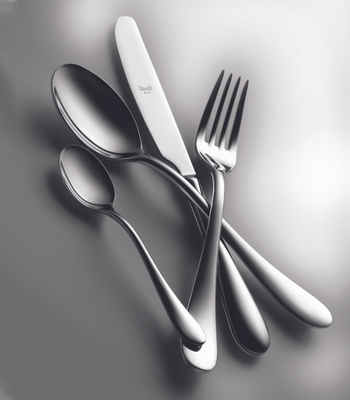
Stainless steel cutlery allows you to create a cohesive, cool colour palette.
However, it is worth noting the difference between the sheen of the cutlery and the finish of the tableware, particularly when both elements are placed directly next to one another.
Silver tableware and black cutlery
Black cutlery provides a striking contrast and can emphasise the modern character of silver plates.
This combination works well with dark wood, stone and concrete.
Silver tableware and gold cutlery
Gold cutlery allows you to deliberately combine warm and cool metallic accents.
In more elegant settings, it is worth limiting the number of other decorative elements to maintain visual balance.
Silver tableware and glass
Clear glass complements silver well and helps maintain a light, uncluttered look.
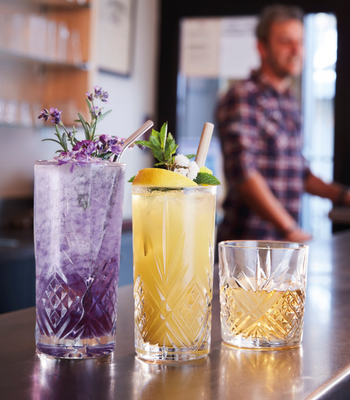
Coloured glass, on the other hand, can be used to create additional contrast, particularly in modern designs.
Silver tableware in a modern restaurant
Silver harmonises well with glass, steel, concrete and stone, which is why it fits naturally into modern interiors.
The simple geometry of the tableware further emphasises the minimalist character of the set.
Silver tableware in an industrial interior
Steel and graphite-silver tones blend well with concrete, brick, metal and dark wood.
Matt and brushed finishes can look particularly good in such a setting.
Silver tableware in an elegant restaurant
Bright silver, platinum tones and a subtle sheen can emphasise the more formal character of a professional dining table.
Combined with high-quality glassware and carefully selected cutlery, they create a prestigious table setting.
Silver tableware in a dark interior
On a black or graphite-coloured worktop, silver tableware can provide a striking accent.
Light falling on the surface can further emphasise its texture and shape.
Silver tableware and restaurant lighting
Silver surfaces may react more strongly to lighting than tableware in matt, neutral colours.
It is worth checking how they look in both daylight and the restaurant’s evening lighting, particularly if the finish is glossy.
Silver tableware and food photography
Silver tableware can provide an interesting backdrop for food photography, but glossy surfaces require greater control over the lighting.
When positioned correctly, it can emphasise the modern, elegant character of a dish.
Silver tableware and seasonal menus
The silver colour scheme can be used all year round and works well with a wide variety of seasonal colour palettes.
In summer, it can showcase seafood and fresh vegetables; in autumn, it can contrast with pumpkin and mushrooms; and in winter, it can emphasise the more elegant character of a special menu.
Silver tableware as an element of a restaurant’s identity
Consistent use of silver or steel tableware can become part of the venue’s distinctive visual language.
This works particularly well in restaurants building their brand around modernity, minimalism or an industrial aesthetic.
How to match a silver plate to a dish?
Firstly, it is worth analysing the dominant colours of the dish. Green, white, red, orange and purple can create a striking contrast against a silver background.
With light-coloured ingredients, you can use darker steel or graphite-silver shades.
How do you choose the right shade of silver tableware?
Bright silver is more luminous and formal, steel gives a more technical feel, whilst darker platinum and graphite finishes can look more understated and contemporary.
It’s best to choose the shade to complement the lighting, the table top and the other elements of the table setting.
How to choose the finish of silver tableware?
A polished finish reflects light more strongly, a matt finish creates a calmer effect, whilst a brushed surface can emphasise a more industrial character.
The finish should be suited to both the interior and the way the table is laid.
How to choose the shape of a silver plate?
The most important factor is the purpose of the plate. A flat plate, a deep plate, a coupe or a bowl each offer different possibilities for professional presentation.
The colour should complement the function of the chosen shape.
How do you choose the size of a silver plate?
The size should be tailored to the portion size and the amount of free space required for plating.
In a restaurant, you must also take into account the size of the table, as well as space for glasses, cutlery and other tableware.
How do you put together a silver tableware set?
You can start with the plates used for the main courses, and then select bowls, platters and other serving dishes.
Silver can also serve purely as an accent amongst white, black, grey or coloured tableware.
A single silver collection or mix & match?
A single collection offers the greatest consistency in tone, finish and form.
Mix & match, on the other hand, allows you to combine silver tableware with black, navy blue, white, green, gold or other colours of your choice.
Practical features of silver tableware
Whether items are dishwasher-safe, microwave-safe, stackable or suitable for use at specific temperatures depends on the material and the manufacturing method of the specific product.
You should not assume that all silver tableware in a single set shares the same technical properties.
Silver decorations and the microwave
In the case of tableware with metallic decorations, it is particularly important to check the manufacturer’s instructions regarding use in a microwave.
The silver appearance alone does not determine the product’s properties — what matters is the technology used to create the specific decoration.
Silver tableware for intensive use
In professional catering, tableware is repeatedly moved, stacked, washed and returned to the dining area.
Therefore, in addition to aesthetics, it is worth assessing the ergonomics, weight, storage method and specifications of a particular model.
Silver tableware for the home too
Silver tableware can also be an attractive choice for private customers seeking a more elegant or modern way of serving.
It can be used for formal dinners or combined on a daily basis with white, black, glass and more neutral colours.
How to choose silver tableware?
When buying, it is worth comparing the shade, material, type of finish, texture, sheen, shape, size and functional characteristics of a specific product.
In a professional restaurant, it is also worth checking how the tableware complements the actual menu, lighting, glassware and cutlery.
Silver tableware – an elegant backdrop for professional service
The colour silver can be classic, minimalist, industrial or very elegant, depending on the shade, texture and sheen.
It offers chefs and restaurateurs the opportunity to use a cooler, more distinctive alternative to classic white tableware.
Discover silver tableware at Fine Dine
Choose silver tableware for the catering and restaurant industry suitable for à la carte restaurants, hotels, catering, banquets, buffets or professional events. Compare silver plates, bowls, platters and other tableware designed for professional service.
Match the colour, material, texture and size to the nature of the menu and the table setting to create an elegant, cohesive and functional table setting that supports professional plating and the day-to-day running of your establishment.