

White and red wine glasses (35)
Wine glasses for the hospitality industry help to present the wine appropriately and enhance the enjoyment of tasting it. Our range includes models designed for restaurants, hotels, wine bars, banquet halls, catering companies and establishments serving wine by the glass or bottle.
A variety of capacities, bowl proportions and stem heights allow you to choose the right glass for the type of wine, the method of serving and the nature of the setting. Glasses made from glass and crystal are available, ranging from simple models for everyday use to more elegant designs for restaurants and formal receptions.
Professional wine glasses
The shape of the glass influences the release of aromas, the wine’s contact with the air and drinking comfort. The capacity of the bowl, the diameter of its widest part, the narrowing at the rim and the length of the stem are all important factors.
In professional catering, glasses should combine an aesthetic appearance with the functionality required for everyday service. The stability of the base, comfort when holding the glass, resistance to frequent use and the ability to wash them safely in accordance with the manufacturer’s instructions are also important.
Red wine glasses
Red wine glasses usually have a larger and wider bowl, which allows the wine to come into greater contact with the air. This helps to release the aromas more effectively and highlight the wine’s complex character.
Larger models work well with red wines that have an intense bouquet and a distinct structure. The appropriate capacity allows you to pour a portion without overfilling the glass, leaving the space needed to gently swirl the wine.
When choosing, it is worth paying attention to:
- the capacity of the bowl,
- the width at its widest point,
- the degree of tapering at the rim,
- the height of the glass,
- the stability of the base,
- proportions that complement the other glassware in the establishment.
White wine glasses
White wine glasses are usually smaller and slimmer than those designed for red wines. The narrower bowl limits the surface area of the wine in contact with the air and helps to maintain the drink’s temperature for longer.
These glasses are well suited to fresh, light and aromatic wines. The slender profile concentrates the aromas closer to the rim, whilst the stem allows the glass to be held without warming the bowl with the hand.
All-purpose wine glasses
In establishments wishing to limit the number of glassware types, all-purpose glasses can be a practical solution. Their proportions allow for the serving of both selected red and white wines.
A versatile model can streamline back-of-house organisation, reduce the number of washing-up baskets and make it easier to prepare the dining room quickly. However, it is worth choosing a design that suits the most frequently served wines and the style of the venue.
Crystal glass and soda-lime glass
This category includes glasses made from glass and crystal. The material affects the clarity, weight, wall thickness, the way light is reflected and the overall appearance of the glass.
Crystal glasses
Crystal glass offers high transparency, an elegant sheen and thin walls. Such glasses showcase the colour of the wine well and emphasise the more prestigious nature of the service.
They are particularly well-suited to à la carte restaurants, hotels, wine bars, tasting dinners and formal events.
Glass wine glasses
Glass wine glasses are a practical choice for everyday use in restaurants, bistros, hotels and catering. Depending on the collection, they may have a simple, versatile design or more decorative proportions.
Before purchasing, it is worth checking the specifications of a particular model, as the thickness of the glass, the manufacturing method and dishwasher suitability may vary between collections.
How do you choose the right wine glass capacity?
The capacity of a wine glass does not refer to the amount of wine poured during service. The bowl should remain partially empty so that the aromas can develop freely and the guest can swirl the wine safely.
When choosing the capacity, it is worth considering:
- the types of wine available on the wine list,
- the standard serving size,
- the method of service – by the glass or from the bottle,
- the frequency of wine tastings,
- the size of the tables and other tableware,
- the space available for storing glassware.
A large glass does not necessarily mean a larger portion. A larger bowl provides space for the aroma and can enhance the presentation of the wine.
The shape of the bowl and how wine is served
The bowl is the most important part of the glass. Its proportions influence the way in which the aromas concentrate above the surface of the wine and reach the taster.
The most common types are:
- wide bowls – suitable for many red wines,
- slimmer bowls – chosen for white wines and lighter wines,
- bowls that taper at the rim – helping to concentrate the aromas,
- versatile tulip-shaped glasses – suitable for a wide range of wines,
- large tasting glasses – providing space for aeration and aroma assessment.
When selecting glassware for an establishment, it is worth considering not only the theory of wine tasting, but also the practical aspects of service, the frequency of glass rotation and storage options.
The importance of the stem and base of the glass
The stem allows you to hold the glass without touching the bowl, which helps to minimise the wine being warmed by your hand and prevents fingerprints on the glass. It should be comfortable to hold, proportionate to the bowl and suited to the intended use.
Tall, slender glasses look light and elegant, but require sufficient space in the dishwasher, cupboard and on a tray. Shorter models may be easier for everyday use and less prone to being knocked over accidentally.
The base should ensure stability both on the table and when being carried. Before purchasing, it is worth checking the diameter of the base and ensuring it fits the trays and glass baskets you use.
Glasses for restaurants and wine bars
In a restaurant with an extensive wine list, it is worth considering several types of glasses suited to different styles of wine. This allows for a better presentation of the wines and creates a more refined service.
In smaller venues, bistros or when catering for large events, it may be more practical to limit yourself to one or two versatile models. This makes storage, washing up, restocking and quickly setting the table easier.
When choosing glasses for your venue, it is worth considering:
- the number of wines available by the glass,
- the type of drinks most frequently ordered,
- the number of seats and guest turnover,
- the frequency of banquets,
- dishwashing and storage capacity,
- the availability of additional pieces in the chosen collection.
Wine glasses for hotels and catering
In hotels, banquet halls and catering companies, the consistency of the glassware, ease of handling and the ability to set a large number of identical place settings are of particular importance.
For such applications, it is worth choosing glasses that:
- are stable and easy to stack,
- fit into the dishwashing baskets used,
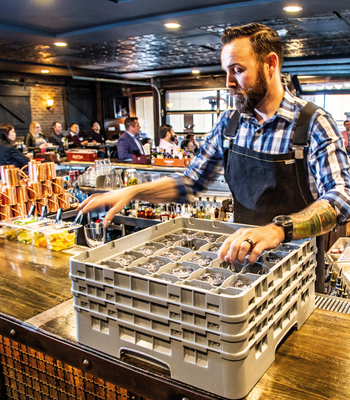
- can be safely transported in glass baskets,
- are available in sufficient quantities,
- match the water and champagne glasses,
- have proportions suitable for a banquet table setting.
How do you match the wine glasses to the rest of the glassware?
You can create a cohesive set by choosing wine glasses, champagne flutes, cocktail glasses and water glasses from the same collection. All the pieces will then have a similar bowl shape, stem design and finish.
However, this is not essential. When combining several collections, it is worth maintaining similar proportions, height, glass thickness or style. Too many differences can make the table setting look haphazard.
Washing and caring for wine glasses
Always follow the manufacturer’s washing instructions. Some models are suitable for commercial dishwashers, but it is also important to use the correct basket, position the glasses properly and use the correct amount of detergent.
To minimise damage and water marks, it is advisable to:
- use racks suited to the height of the glasses,
- avoid contact between the bowls and rims during washing,
- not pack the glasses too tightly,
- monitor water quality and detergent dosage,
- allow glasses to air-dry naturally,
- polish the glassware in accordance with the manufacturer’s instructions.
Do not twist the bowl and base in opposite directions whilst polishing, as this may damage the stem.
What should you look out for before buying?
Before choosing glasses for your premises, it is worth checking:
- the capacity and dimensions of the bowl,
- the total height of the glass,
- the diameter of the base,
- the type of glass,
- the thickness of the rim,
- whether it is dishwasher-safe,
- how well it fits into racks and on shelves,
- the availability of other types of glassware in the same collection.
A good idea is to test your chosen glass with wines available on the wine list. This allows you to assess its proportions, ease of use and how it looks as part of the table setting.
Why choose professional wine glasses?
- they highlight the colour, aroma and character of the wine,
- they enhance the aesthetics of the table setting,
- are available in styles for red wine, white wine and all-purpose service,
- include models made from glass and crystal,
- allow you to match the glassware to the style of the restaurant and the wine list,
- are ideal for restaurants, hotels, wine bars and catering.
Discover wine glasses for the professional catering industry and choose models to suit your wine list, the style of service and the table setting in your establishment.